1900–1944
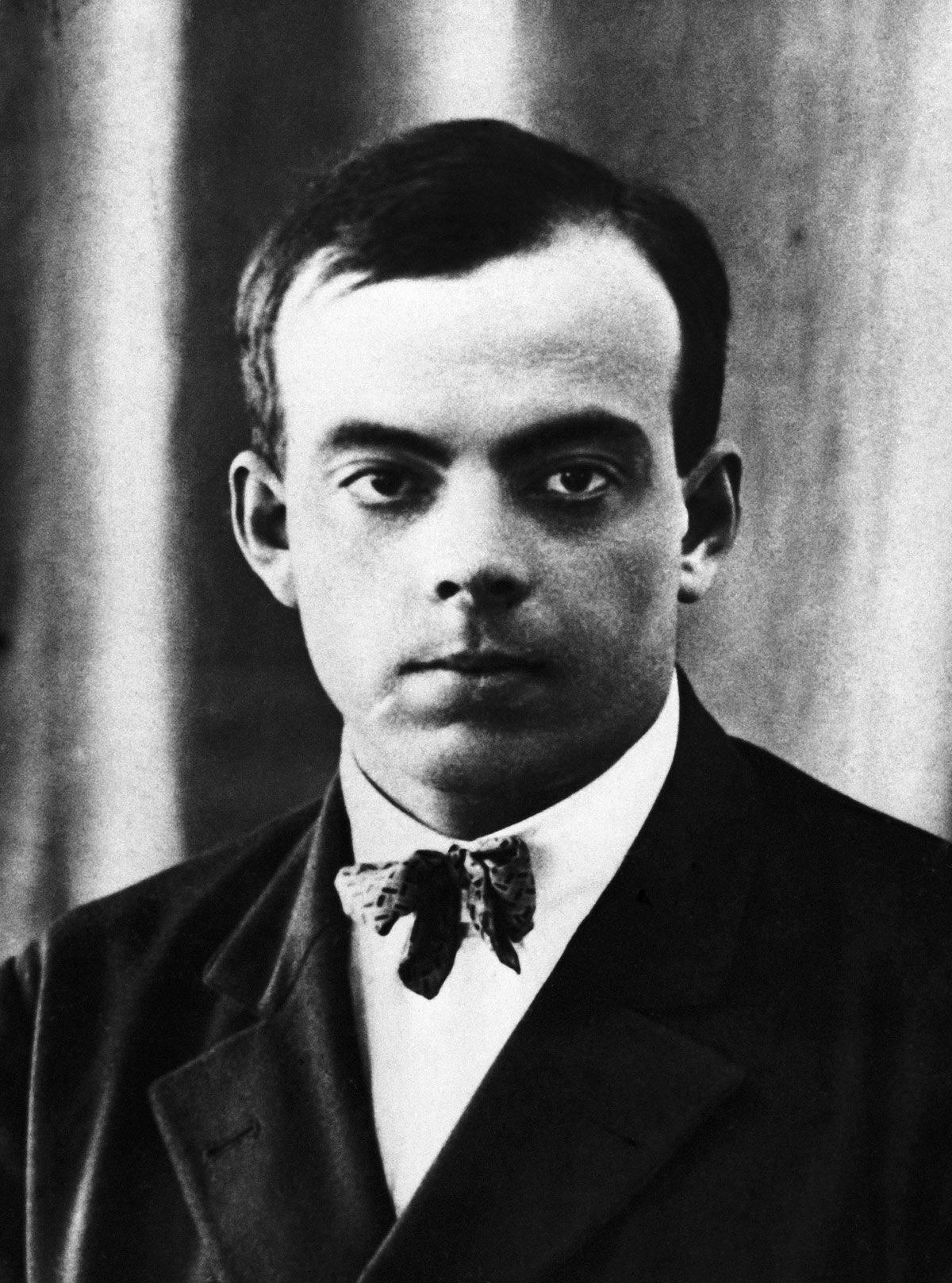
Antoine de Saint-Exupéry
Aéropostale pilot and writer, author of 'Night Flight', 'Wind, Sand and Stars' and 'The Little Prince'.
2 min read
Life
Born in Lyon, Antoine de Saint-Exupéry learnt to fly during military service in the early 1920s. His first literary work appeared while he was seeking a career in aviation. In 1926 he published the story 'The Aviator' and joined the Latécoère Lines. The company founded by Pierre-Georges Latécoère operated an airmail route to Africa. There he encountered a collective discipline in which preparing aircraft and arranging crew changes mattered as much as the actual handling of a flight.
In October 1927 he became station manager at Cap Juby, now Tarfaya. Situated on the route between Casablanca and Dakar, the post involved much more than carrying mail. His responsibilities included receiving crews, organising assistance and negotiating over pilots held in the region. The desert became a setting for professional experience and observation. 'Southern Mail', published in 1929, turned this material into fiction, rather than simply providing a direct account of his daily work at the station.
In 1929 he went to Argentina and took a leading role in flight operations at Aeroposta Argentina. Long distances and the need to maintain schedules gave the work of the route a different scale. He shared the professional world of Jean Mermoz, who was helping to expand the South American network. 'Night Flight', published in 1931 and awarded the Prix Femina, explored tensions between a manager's responsibilities, the safety of his crews and the continuity of the service.
Achievements
During the 1930s Saint-Exupéry worked as a test pilot, journalist and long-distance flier. In December 1935 an attempt to make a fast flight from Paris to Saigon ended in a desert crash with his mechanic André Prévot. Both men survived and were eventually rescued. The ordeal informed 'Wind, Sand and Stars', published in 1939. The book brings together flying memories, portraits of fellow airmen and reflections on the relationships that give meaning to human action and shared effort.
Saint-Exupéry's contribution to the history of the Aéropostale lies partly in this literary treatment of the profession. He describes breakdowns, waiting, solitude and obligations to others rather than a sequence of records. His writing illuminates the human experience of aviation during the interwar years. It does not, however, replace technical archives or business history: characters, situations and sequences of events may be reshaped to serve the needs of a story rather than a documentary account.
Mobilised in 1939, he served in aerial reconnaissance and flew missions during the 1940 campaign. After the defeat he spent time in the United States, where 'Flight to Arras' appeared in 1942 and 'The Little Prince' in 1943. The latter does not directly concern airmail, but its airman stranded in the desert recalls an experience familiar to its author. Saint-Exupéry subsequently returned to North Africa in order to resume military flying and active service.
Legacy
On 31 July 1944 he failed to return from a reconnaissance mission flown from Corsica in a Lockheed F-5, the photographic version of the P-38. The precise circumstances of his loss remain uncertain; no particular explanation should be treated as established. His writing retains a distinctive place in aviation memory by conveying the relationships between a pilot, his aircraft and his companions. In Toulouse, his memory joins that of the Montaudran teams, extending beyond the image of the missing writer.
Sources
- Encyclopædia Britannica — Antoine de Saint-Exupéry
- L'Envol des Pionniers — L'aventure de l'Aéropostale
- Musée de l'Air et de l'Espace — Collections
- Site officiel Antoine de Saint Exupéry — Nommé chef d'escale à Cap Juby
- Site officiel Antoine de Saint Exupéry — Hommage au commandant Antoine de Saint Exupéry
Related reading
Feature
The Aéropostale (1918–1933)Pioneer
Jean MermozPioneer
Pierre-Georges LatécoèreFeature
Toulouse, aerospace capital