1783 — 2026
A world history of aviation, from the hot-air balloon to the A380
Dated milestones, aircraft profiles and historic sites: a measured, well-sourced account of two centuries of aviation.
Explore the timeline →
Six milestones
Timeline →1783
First free manned balloon flight
The Montgolfier brothers' demonstrations pave the way for human flight in a hot-air balloon. In Paris, Pilâtre de Rozier and the Marquis d'Arlandes make the first documented free flight with people aboard. Their balloon cannot be steered and drifts with the wind. The experiment establishes that a crew can leave the ground and return safely in an aerostat.
1903
The Wright Flyer flies at Kitty Hawk
Following their glider trials, the Wright brothers bring together an engine, propellers and effective flight controls. Near Kitty Hawk, they achieve the first powered, sustained and controlled flights of a piloted aeroplane. They make four flights that day. Their success establishes control as a central requirement in the development of aviation.
1935
First flight of the Douglas DC-3
Airlines are seeking aircraft that can make passenger services profitable. The Douglas DST prototype, the sleeper version from which the DC-3 develops, makes its first flight. The family's rugged construction and operating economics encourage its adoption on civil networks. The DC-3 becomes a benchmark in air transport and also gives rise to numerous military versions.
1969
First flight of the Boeing 747
Traffic growth encourages manufacturers to increase airliner capacity substantially. The Boeing 747 makes its first flight near Seattle. Its wide fuselage accommodates two aisles, while the upper deck gives it a distinctive profile. Its capacity changes the economics of major routes while requiring airports to adapt their infrastructure.
1972
First flight of the Airbus A300
European industrial cooperation produces a new family of airliners. The Airbus A300 makes its first flight at Toulouse. It is the first twin-engine widebody airliner. The programme lays the industrial and commercial foundations on which Airbus subsequently builds its range.
2005
First flight of the Airbus A380
Airbus designs the A380 to carry large numbers of passengers between major hubs. The aircraft makes its first flight at Toulouse. It has two passenger decks extending along the full length of the cabin. Its development requires an international industrial effort and changes at airports that will handle it.
Aircraft
17 December 1903, Kill Devil Hills, near Kitty Hawk
Wright Flyer
The 1903 Flyer brought the Wrights’ research into sustained, controlled powered flight into practice.
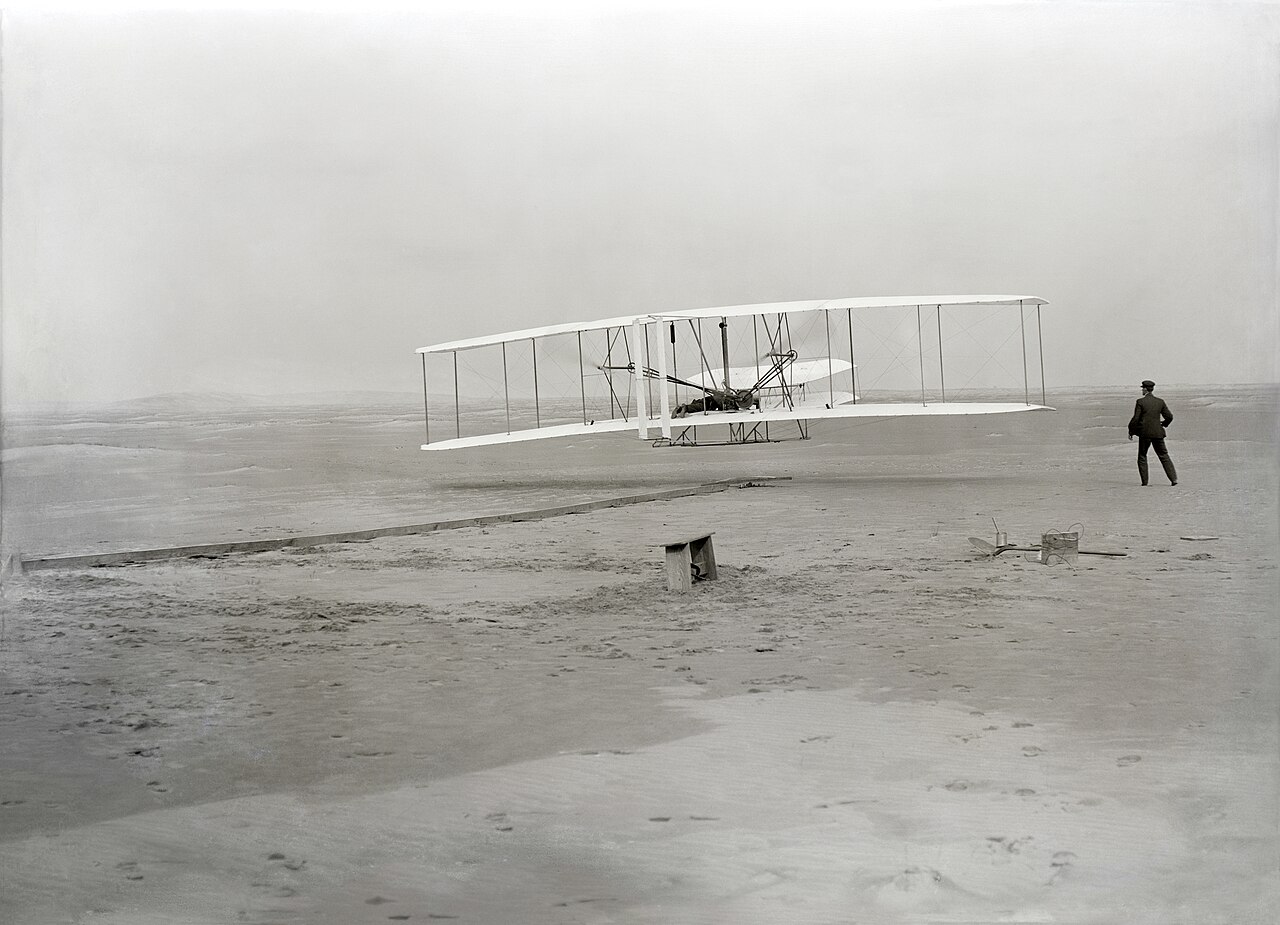
Kitty Hawk, 17 December 1903: Orville Wright makes the first powered, sustained and controlled flight of a piloted aeroplane. · Photo : John T. Daniels · Public domain · Source : Wikimedia Commons 9 October 1890: reported lift-off at Armainvilliers, significance disputed
Ader Éole
Éole is the steam-powered aeroplane in which Clément Ader reported a brief lift-off in 1890, without demonstrating sustained, controlled flight.
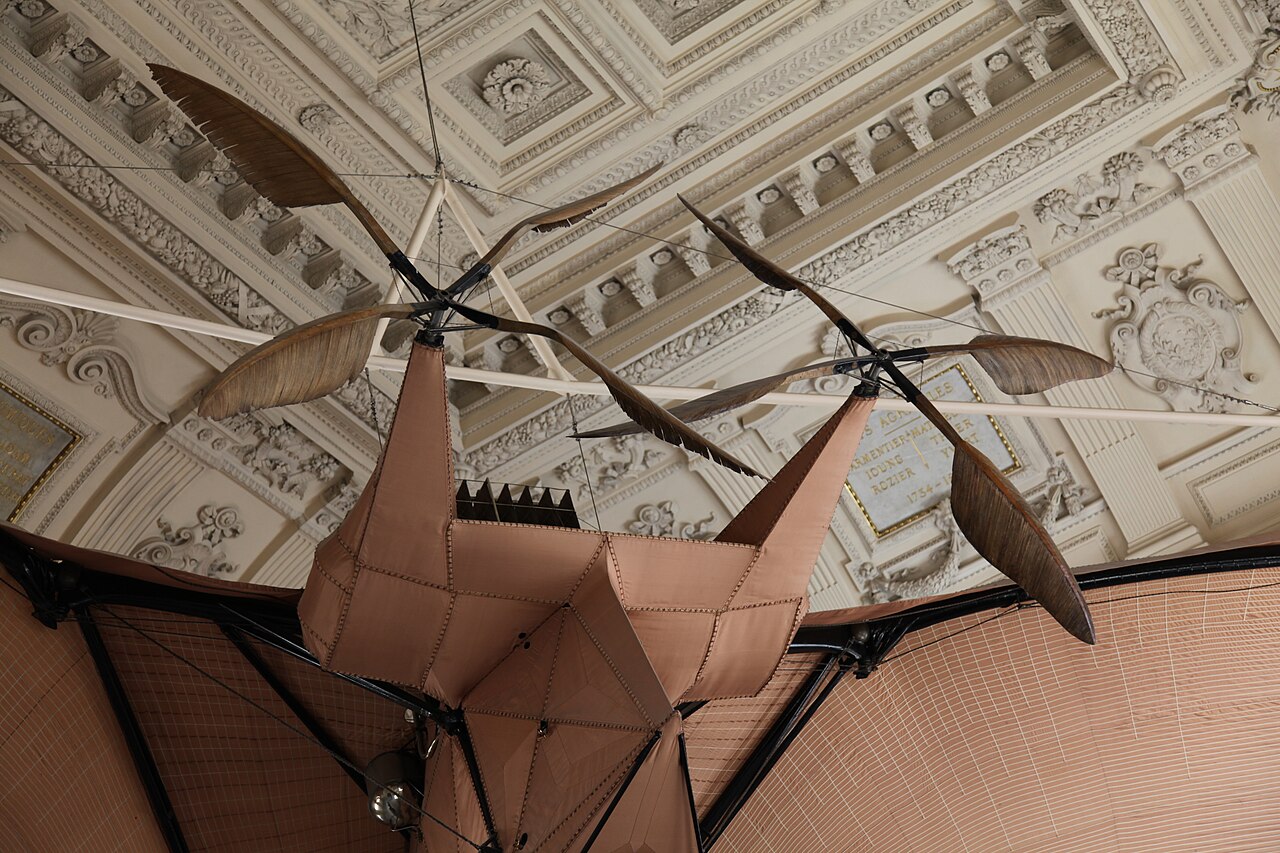
Clément Ader's Avion III, Musée des Arts et Métiers, Paris · Photo : Rama · CC BY-SA 3.0 FR · Source : Wikimedia Commons January 1909
Blériot XI
The Blériot XI linked France and England in 1909 before serving in training and reconnaissance.
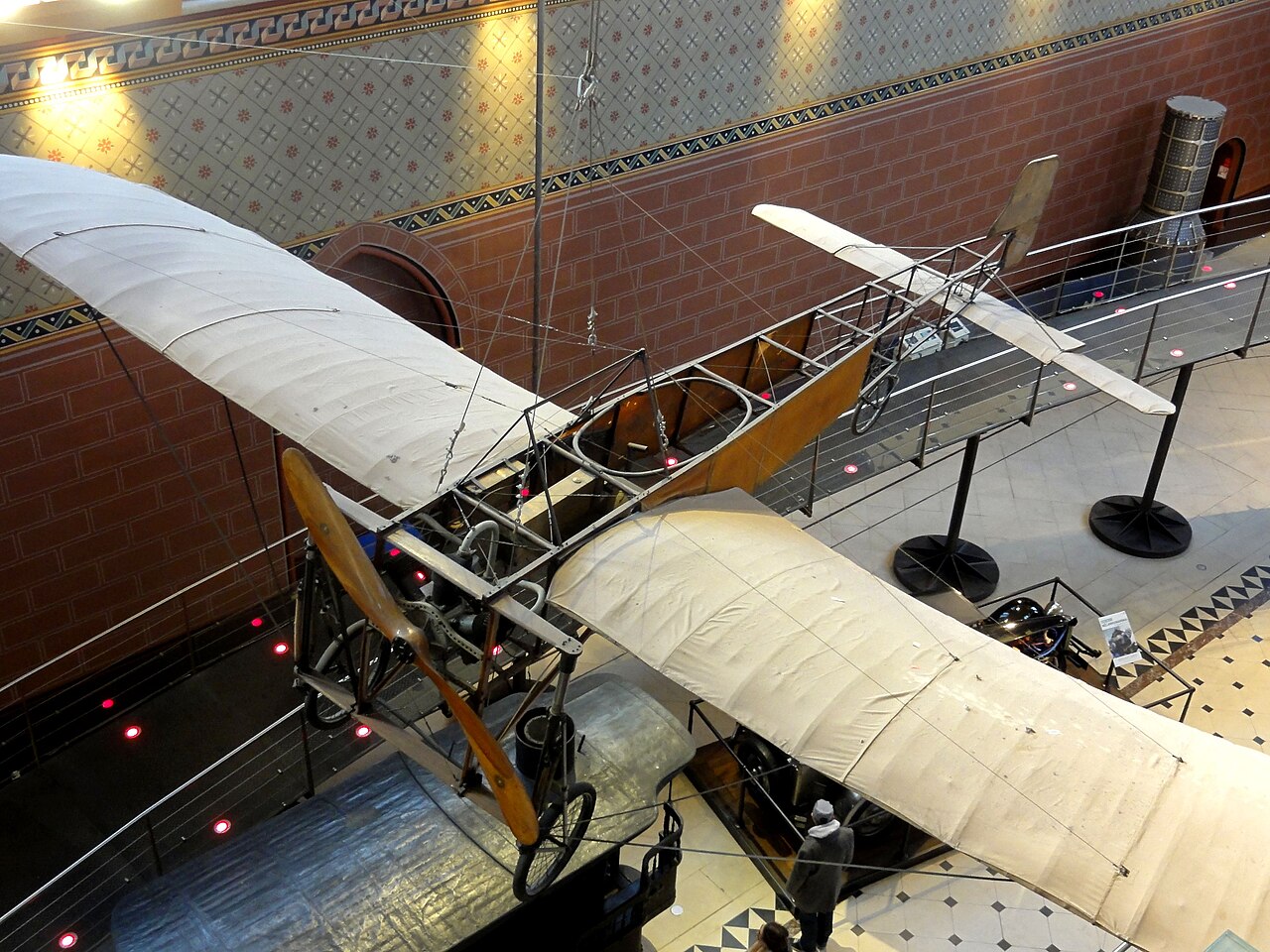
The Blériot XI on display at the Musée des Arts et Métiers in Paris, the type that crossed the Channel (1909). · Photo : Pierre Poschadel · CC BY-SA 3.0 · Source : Wikimedia Commons 1929
Latécoère 28
The Latécoère 28 served Aéropostale routes and made an airmail crossing between Senegal and Brazil in 1930.
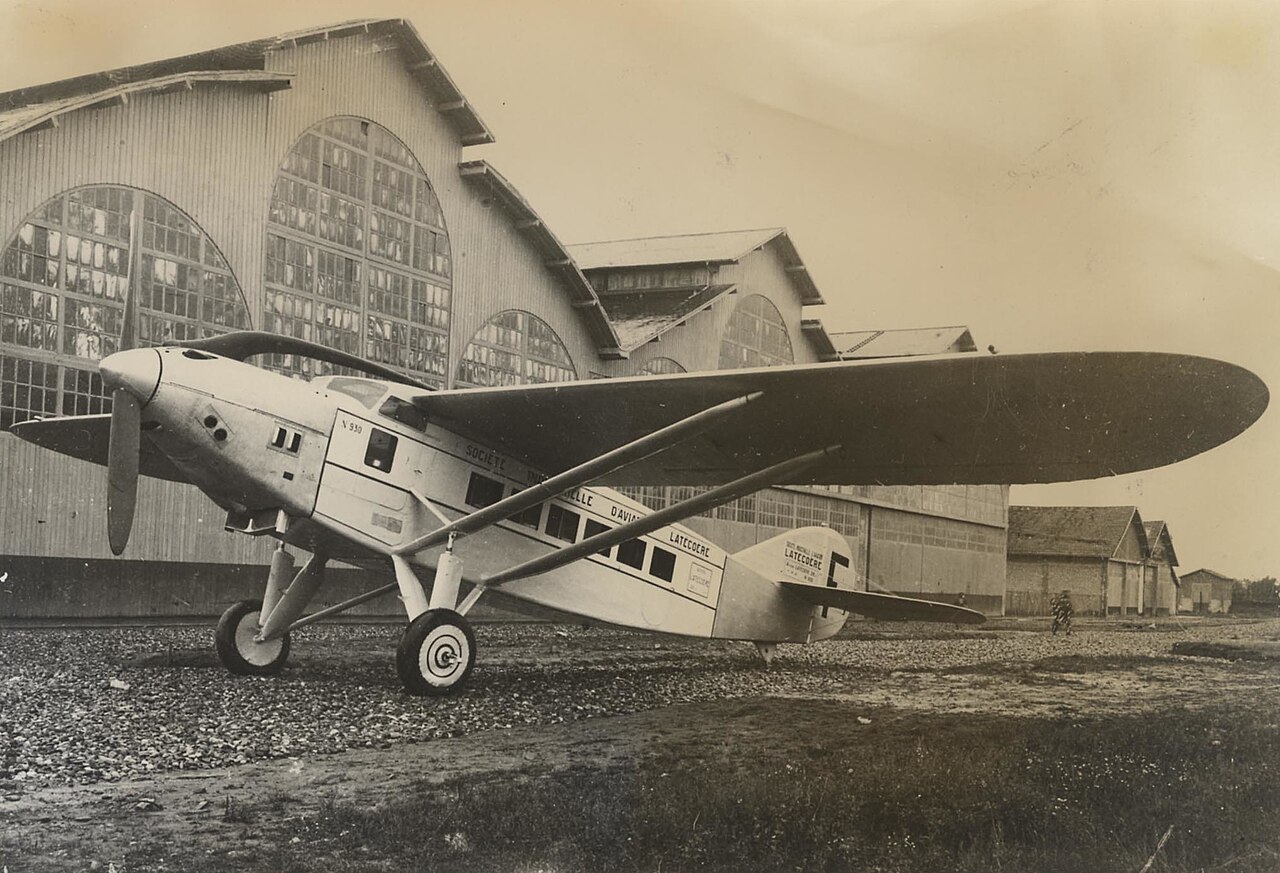
A Latécoère 28 at Montaudran airfield (Toulouse), cradle of the Aéropostale. · Photo : Archives municipales de Toulouse · Public domain · Source : Wikimedia Commons 28 April 1927
Ryan NYP Spirit of St. Louis
The Ryan NYP enabled Charles Lindbergh to fly solo and nonstop from New York to Paris on 20–21 May 1927.
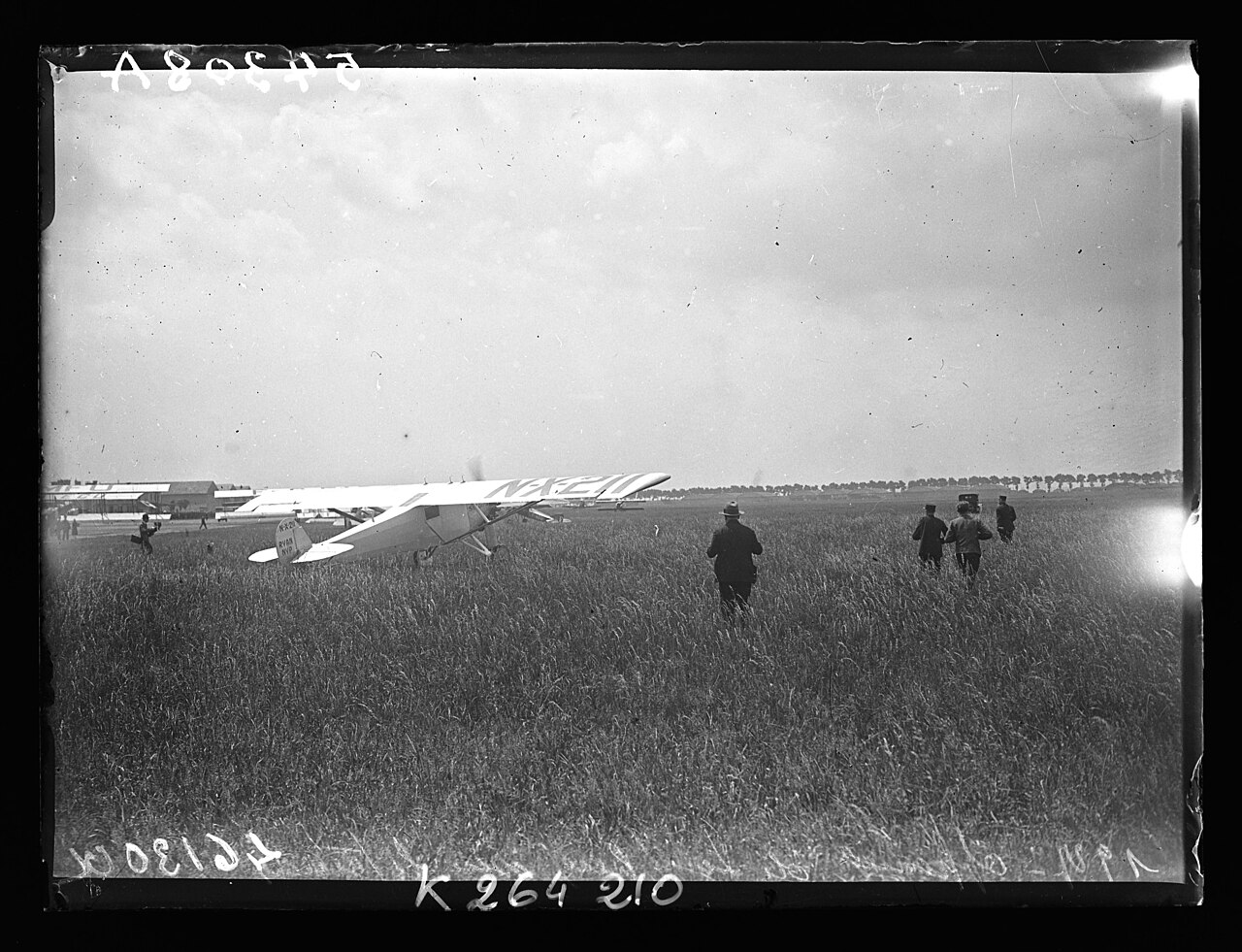
Lindbergh's Spirit of St. Louis at Le Bourget, 1927 · Photo : Agence de presse Meurisse · Public domain · Source : Wikimedia Commons 13 October 1930, single-engine version
Junkers Ju 52
Initially a single-engine aircraft, the Junkers Ju 52 became a three-engine civil and military transport, also built in France and Spain.
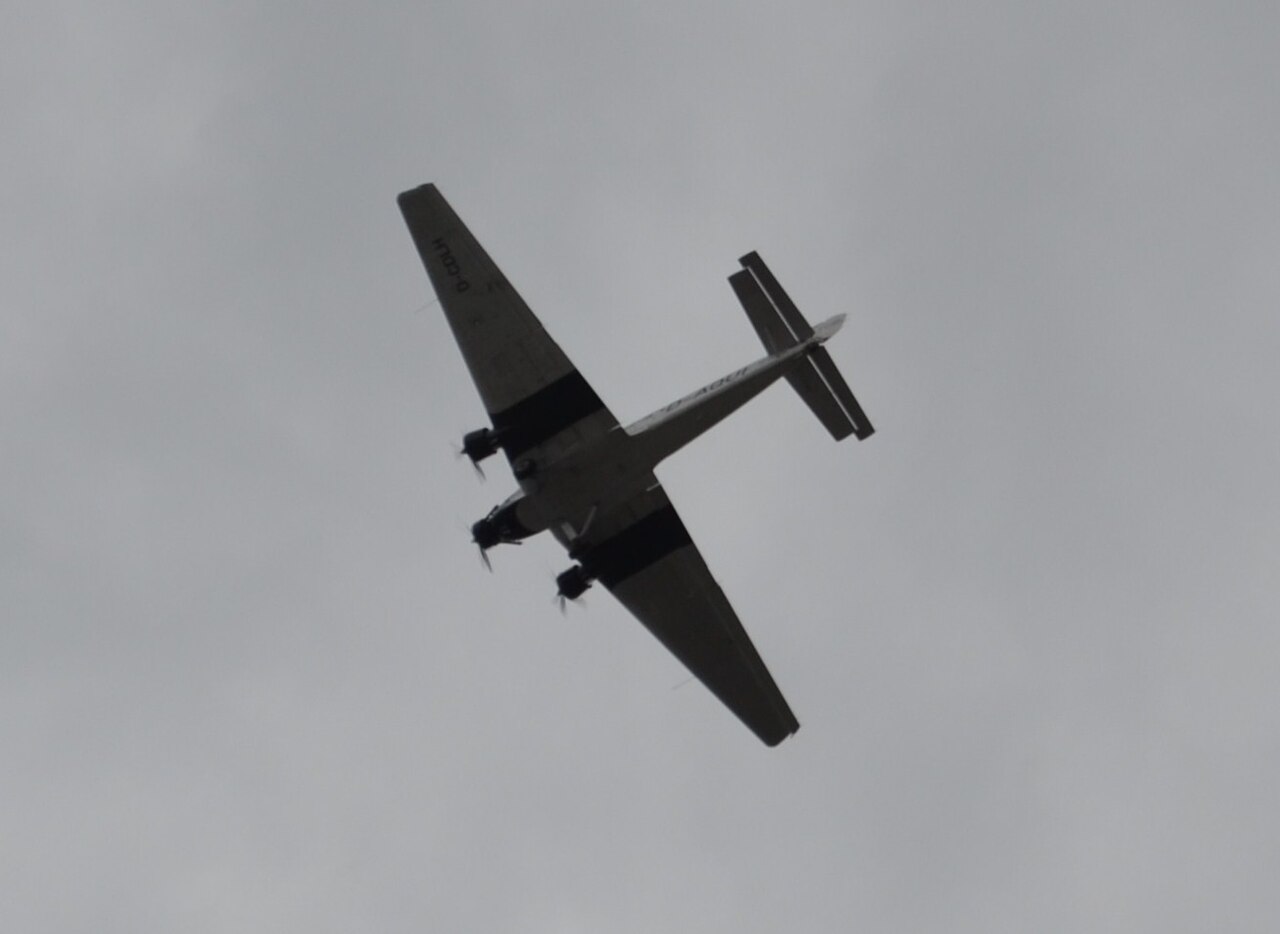
Junkers Ju 52 D-AQUI in flight · Photo : MLWatts · CC BY-SA 3.0 · Source : Wikimedia Commons 17 December 1935
Douglas DC-3
Developed for American airlines, the DC-3 became a family of civil and military transports used worldwide.
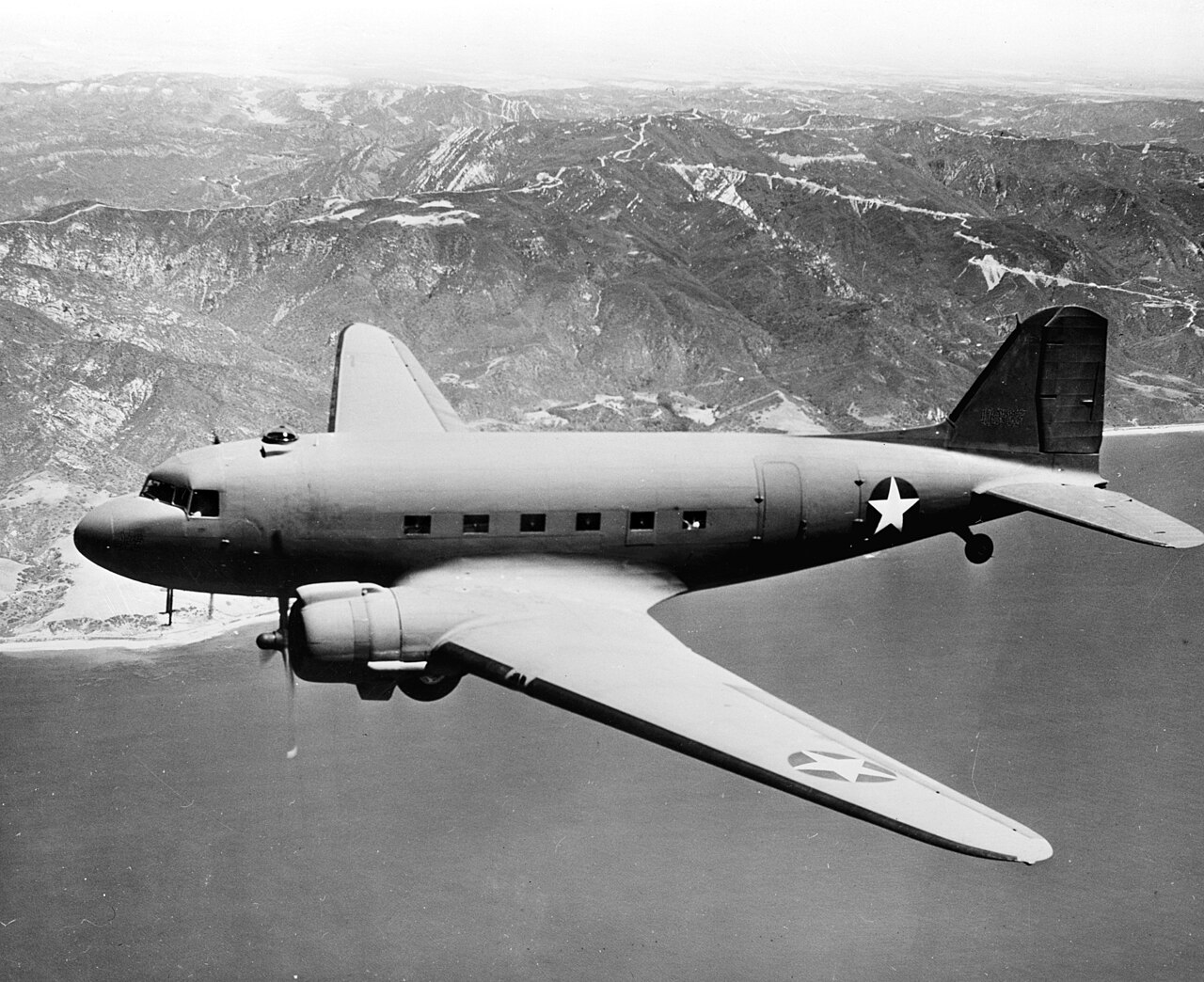
A Douglas C-47, the military version of the DC-3, in flight around 1943. · Photo : USAAF · Public domain · Source : Wikimedia Commons 5 March 1936
Supermarine Spitfire
Entering service in 1938, the Spitfire developed from a Merlin-powered fighter into numerous combat and reconnaissance versions.
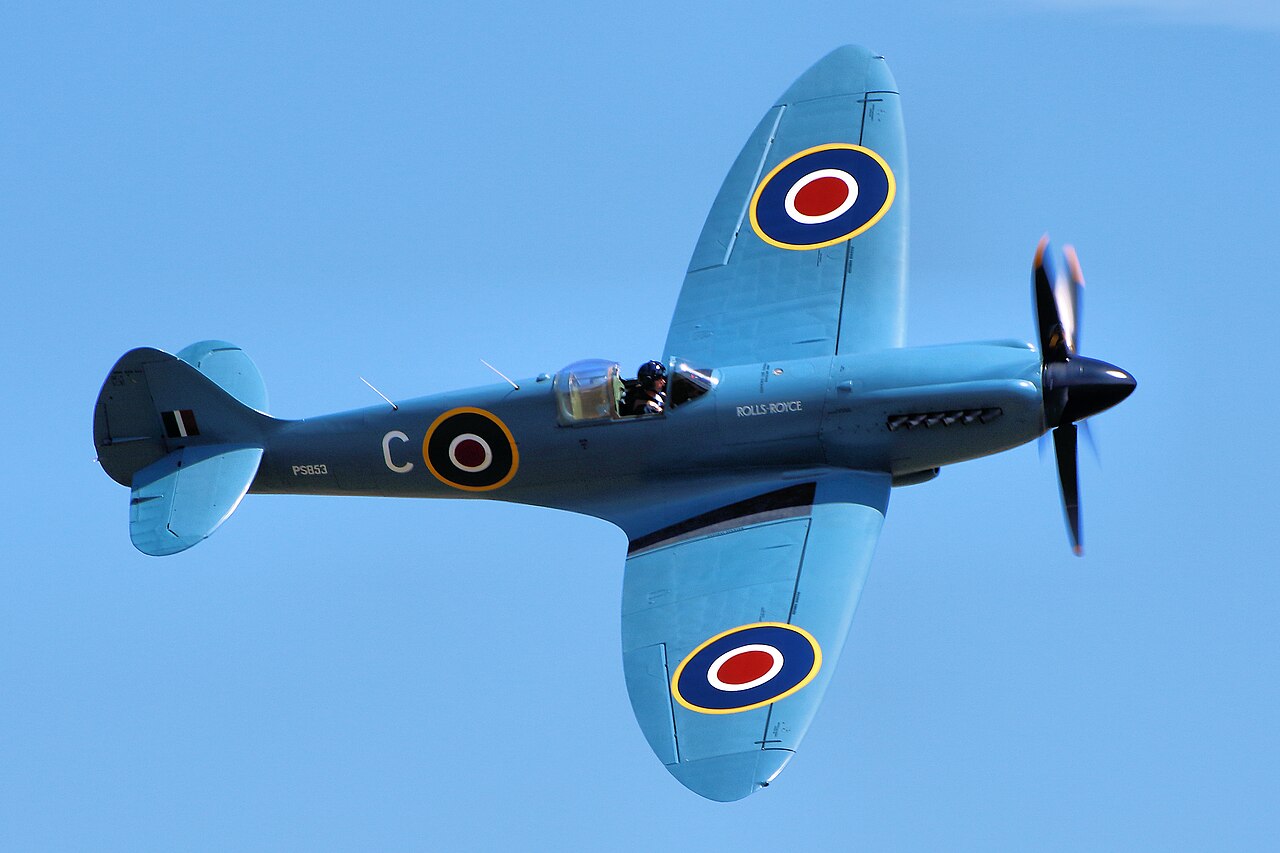
Spitfire on display at Duxford, 2015 · Photo : Airwolfhound · CC BY-SA 2.0 · Source : Wikimedia Commons 18 July 1942 under jet power; piston-powered prototype on 18 April 1941
Messerschmitt Me 262
The Me 262 entered combat in 1944, combining jet performance with the constraints of wartime development and production.
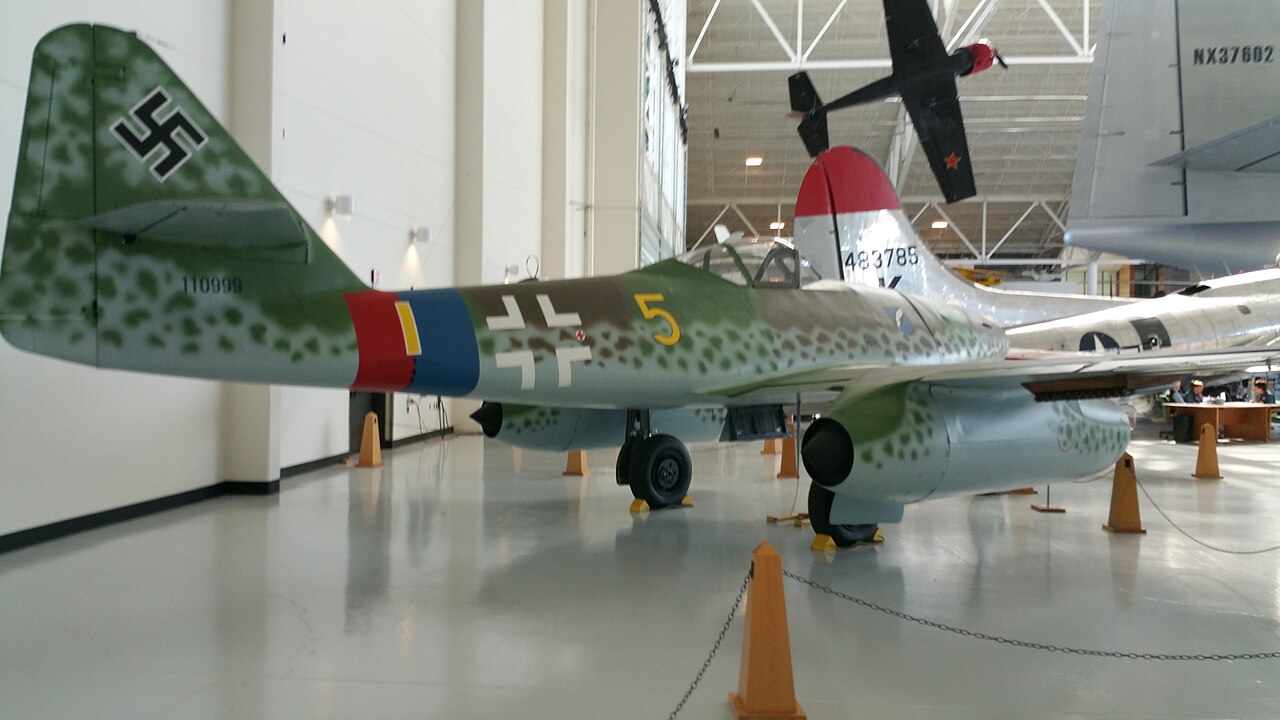
Messerschmitt Me 262 at the Evergreen Aviation & Space Museum · Photo : Articseahorse · CC BY-SA 4.0 · Source : Wikimedia Commons 9 January 1943
Lockheed Constellation
A pressurised four-engine aircraft that supported the growth of long-distance routes after the Second World War.
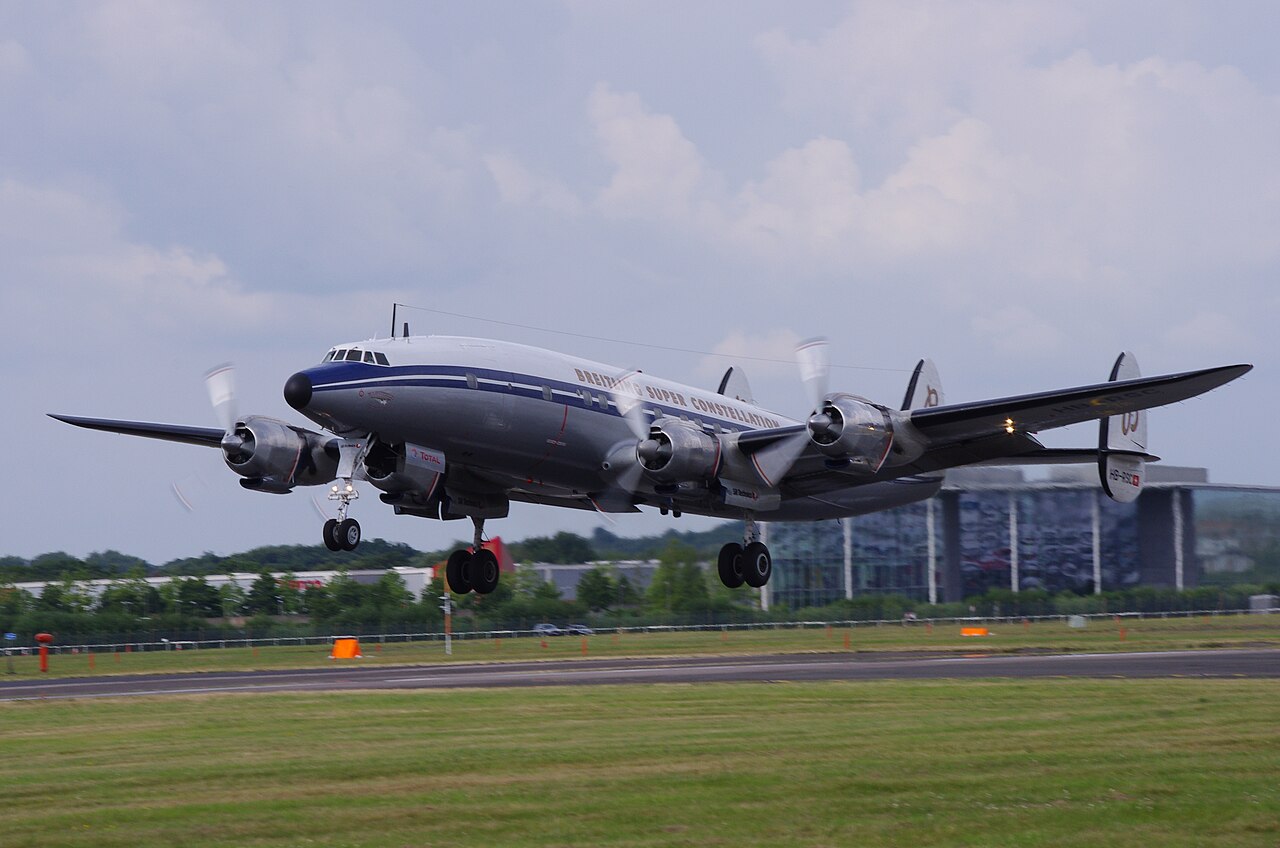
Lockheed Super Constellation at Farnborough, 2014 · Photo : tataquax · CC BY-SA 2.0 · Source : Wikimedia Commons 25 January 1946, glide flight
Bell X-1
In 1947 the Bell X-1 makes the first instrumentally established piloted supersonic flight in level flight.
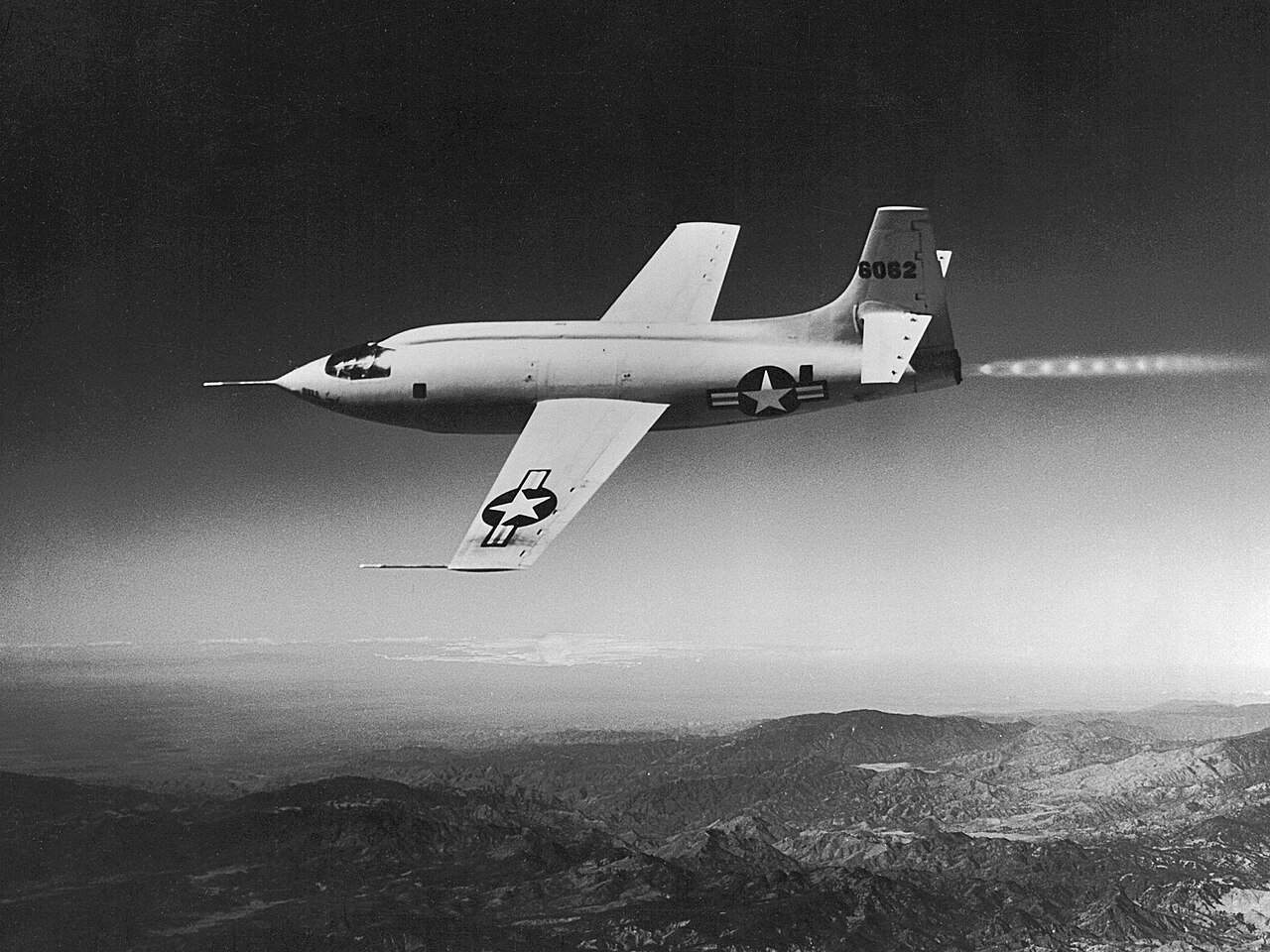
The Bell X-1 in flight · Photo : NASA · Public domain · Source : Wikimedia Commons 27 July 1949
de Havilland Comet
The first jet airliner in commercial service, the Comet combined an operational advance with a consequential history of structural fatigue.
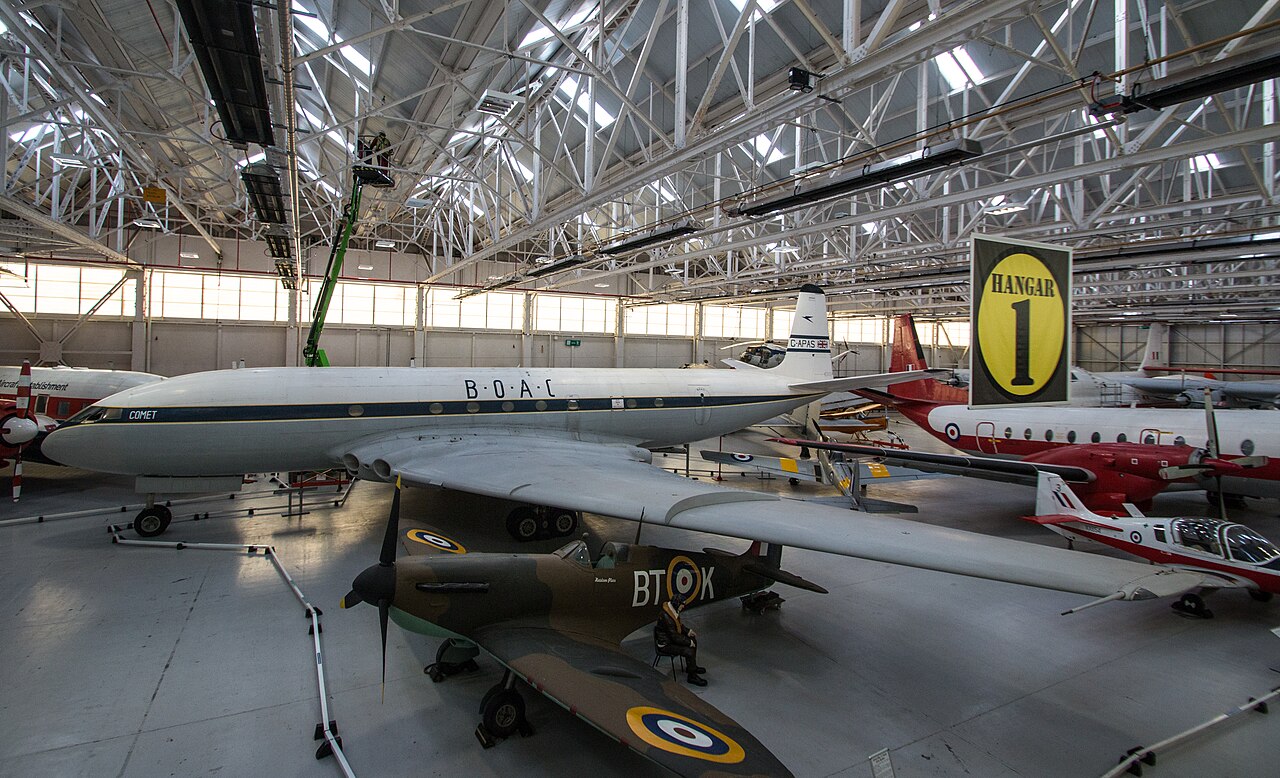
De Havilland Comet 1XB G-APAS in BOAC colours, preserved at the RAF Museum Cosford. · Photo : Steve Lynes · CC BY 2.0 · Source : Wikimedia Commons 27 May 1955, Toulouse
Sud Aviation Caravelle
The French twinjet that popularised engines mounted at the rear of the fuselage.
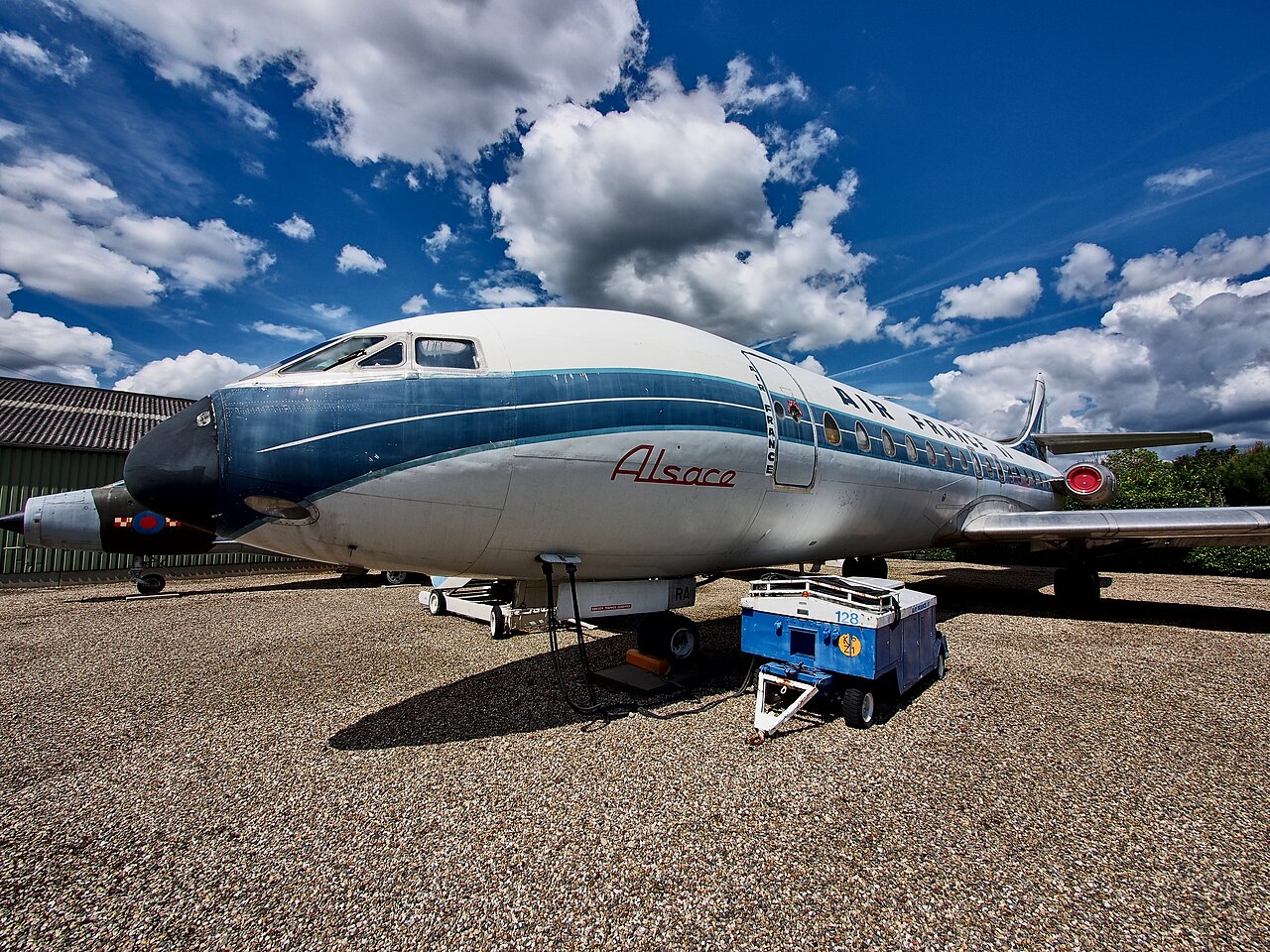
Air France Caravelle III F-BHRA 'Alsace', preserved in a museum. · Photo : Alf van Beem · Public domain · Source : Wikimedia Commons 17 November 1956
Dassault Mirage III
The Mirage III combines a delta wing and Atar engine in a widely exported family of supersonic fighters.
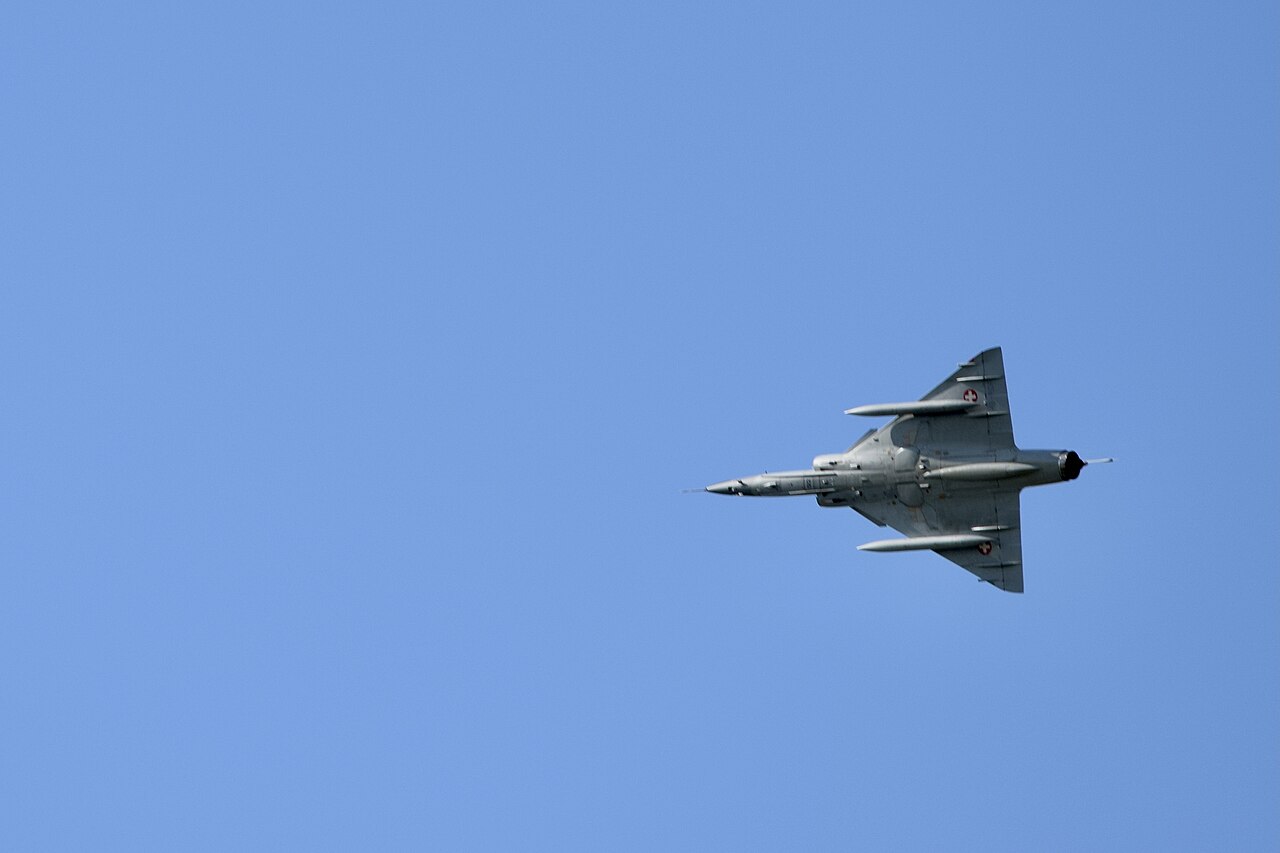
Ex-Swiss Air Force two-seat Mirage III in flight · Photo : Ank Kumar · CC BY-SA 4.0 · Source : Wikimedia Commons 20 December 1957
Boeing 707
The Boeing 707 helps establish commercial jet services across major international networks.
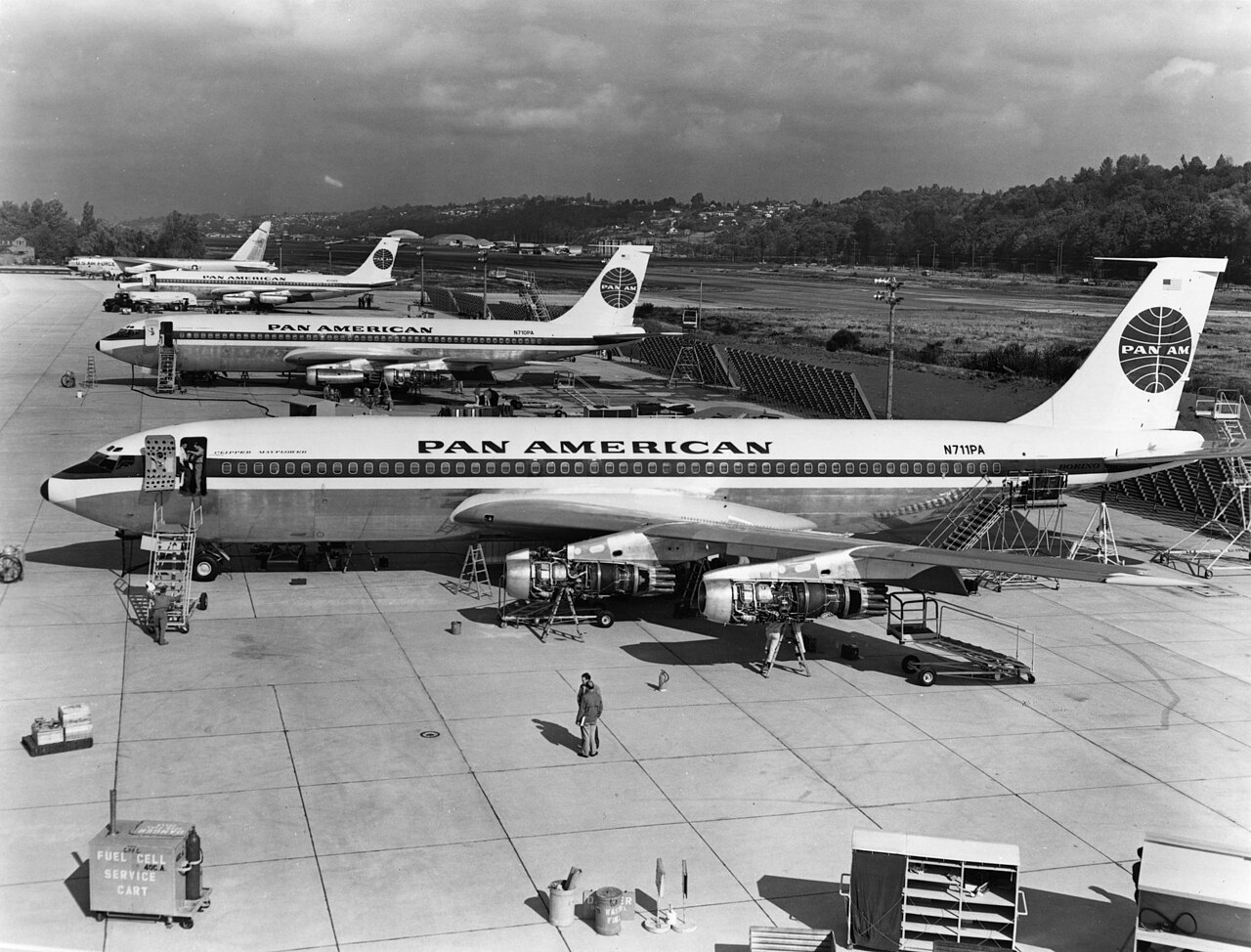
Pan Am's first Boeing 707-121s awaiting delivery, Seattle, 1958 · Photo : Auteur inconnu · Public domain · Source : Wikimedia Commons 22 December 1964
Lockheed SR-71 Blackbird
The SR-71 is a reconnaissance aircraft designed for sustained missions above Mach 3 at high altitude.
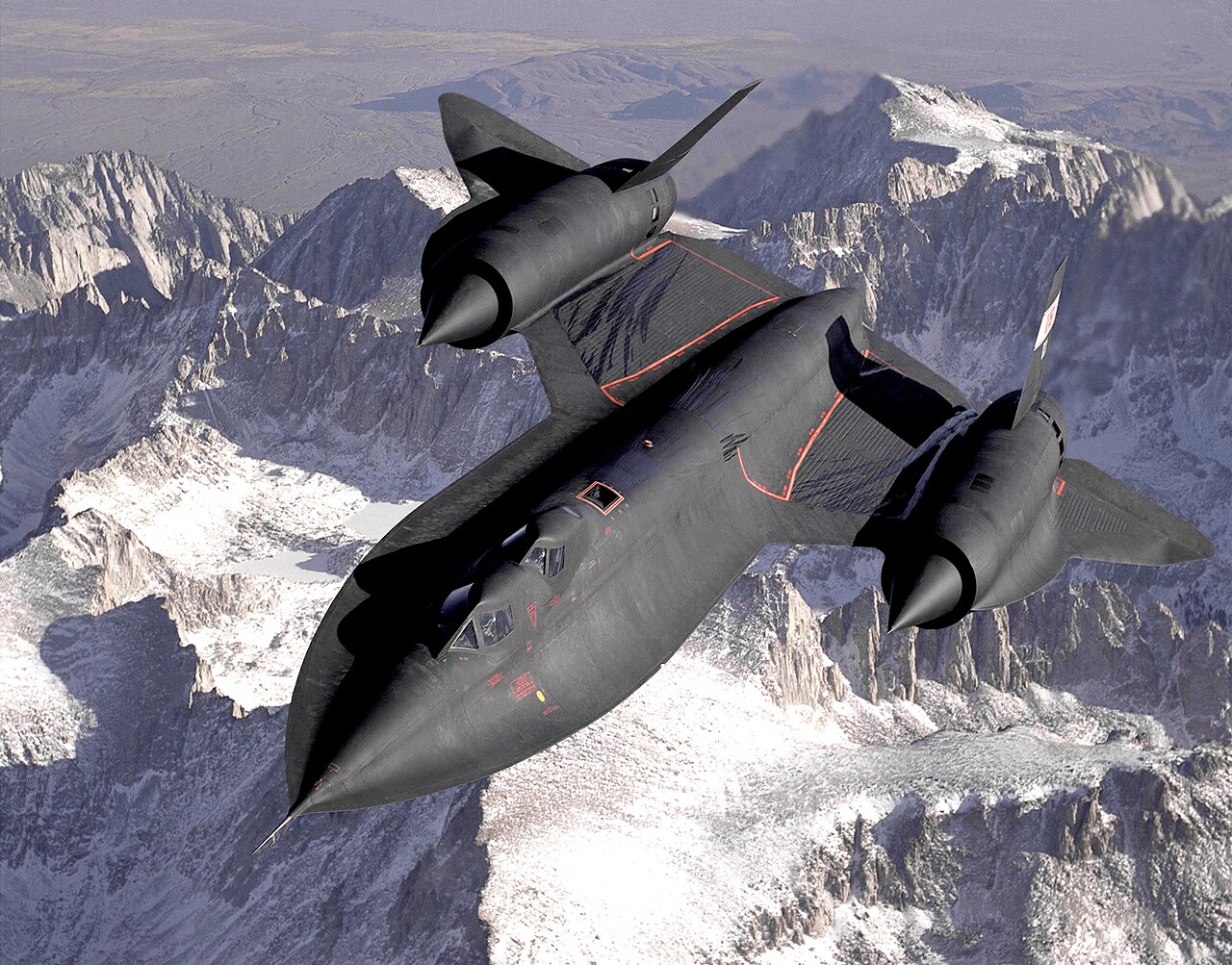
NASA SR-71B Blackbird over the Sierra Nevada · Photo : USAF / Judson Brohmer · Public domain · Source : Wikimedia Commons 9 April 1967
Boeing 737
A family of single-aisle twinjets developed through successive generations since the 1960s.
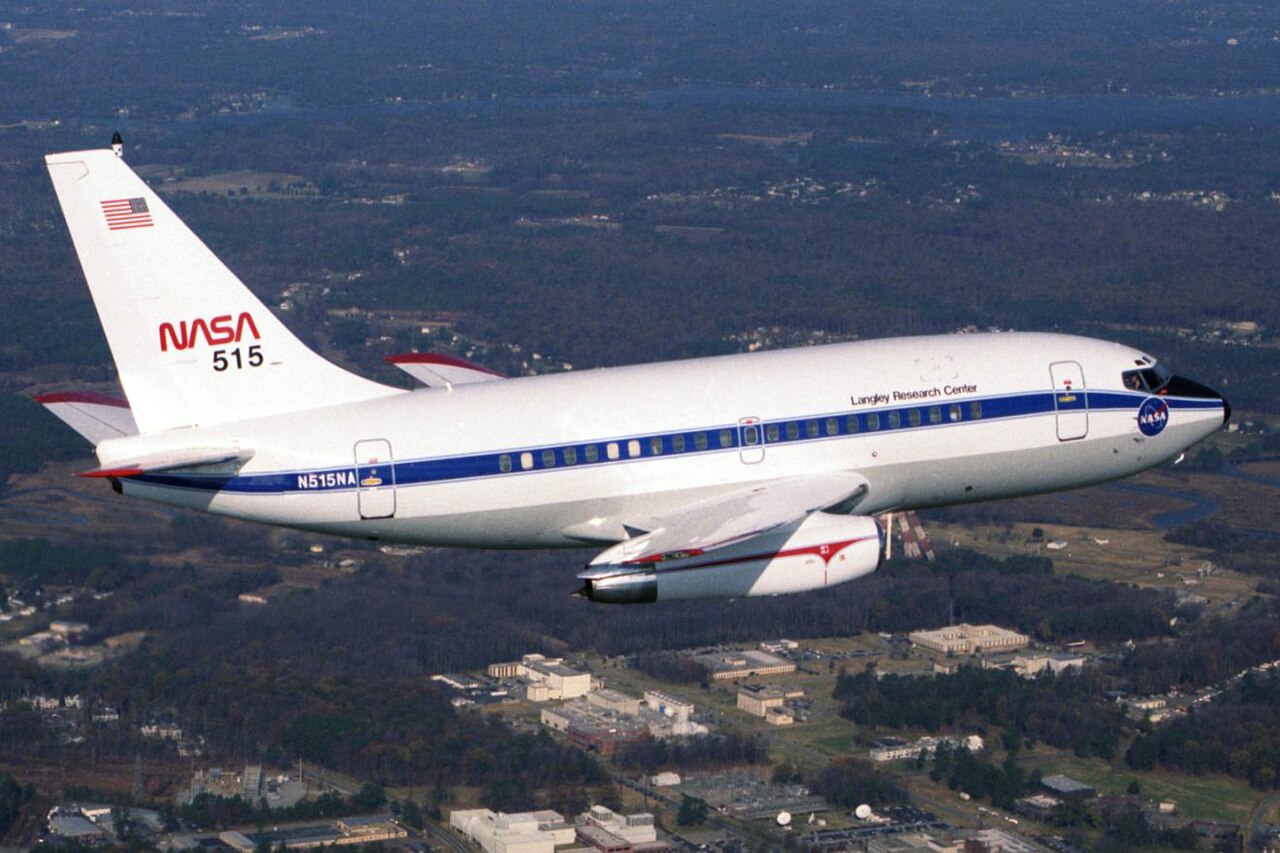
NASA 515, the first Boeing 737 built, in flight · Photo : NASA/LRC · Public domain · Source : Wikimedia Commons 9 February 1969
Boeing 747
The first twin-aisle airliner, recognisable by its forward upper deck.
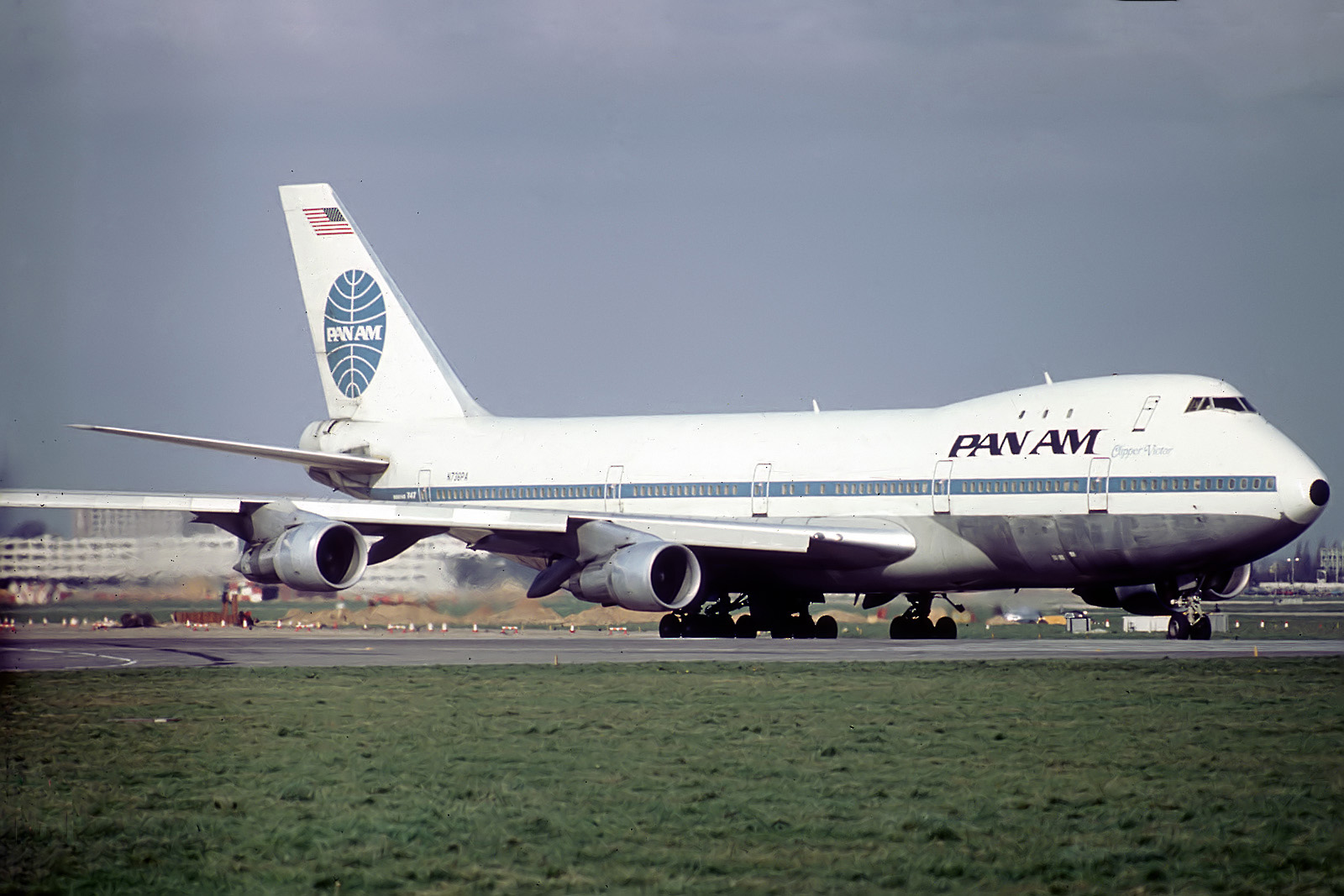
Pan Am Boeing 747-121 'Clipper Victor' at London Heathrow in 1977. · Photo : Paul Seymour · CC BY-SA 4.0 · Source : Wikimedia Commons 2 March 1969, Toulouse
Concorde
The Franco-British airliner that flew commercial services at about Mach 2 for twenty-seven years.
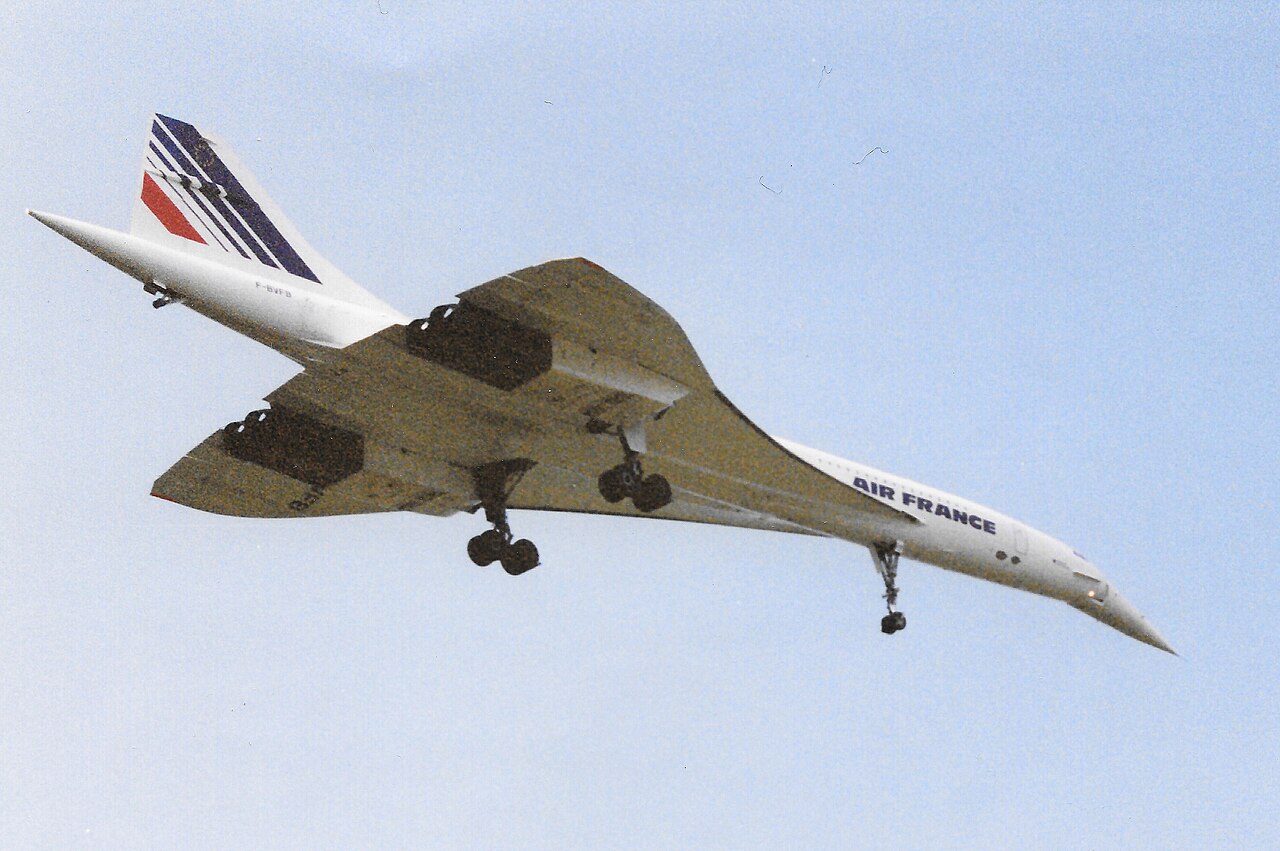
Air France Concorde F-BVFB on its last commercial flight, 31 May 2003. · Photo : Eric Salard · CC BY-SA 2.0 · Source : Wikimedia Commons 28 October 1972, Toulouse
Airbus A300
Airbus's first aircraft and the first twin-engine widebody.
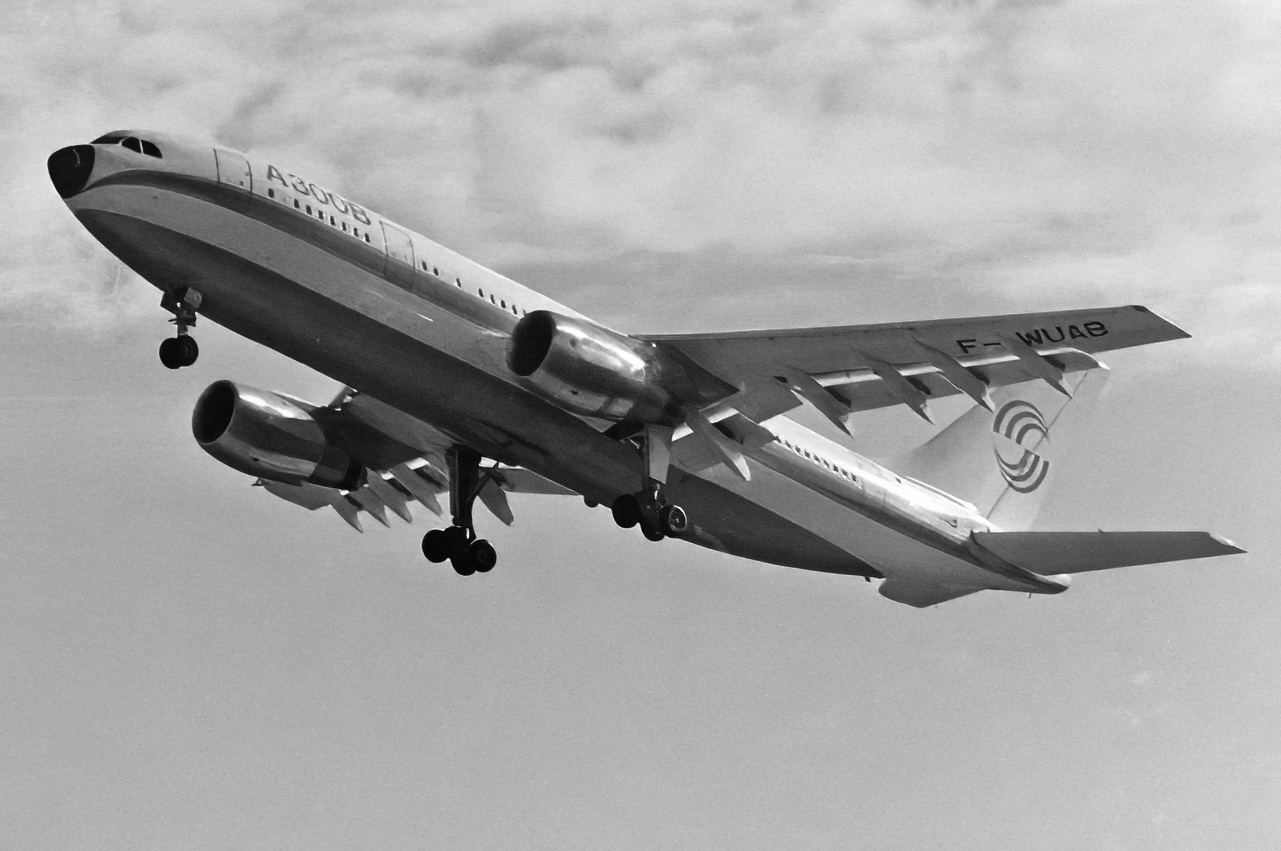
Toulouse, 28 October 1972: first flight of the Airbus A300B prototype. · Photo : André Cros · CC BY-SA 4.0 · Source : Wikimedia Commons ATR 42: 16 August 1984; ATR 72: 27 October 1988
ATR 42 / ATR 72
A Franco-Italian turboprop family designed for regional services.
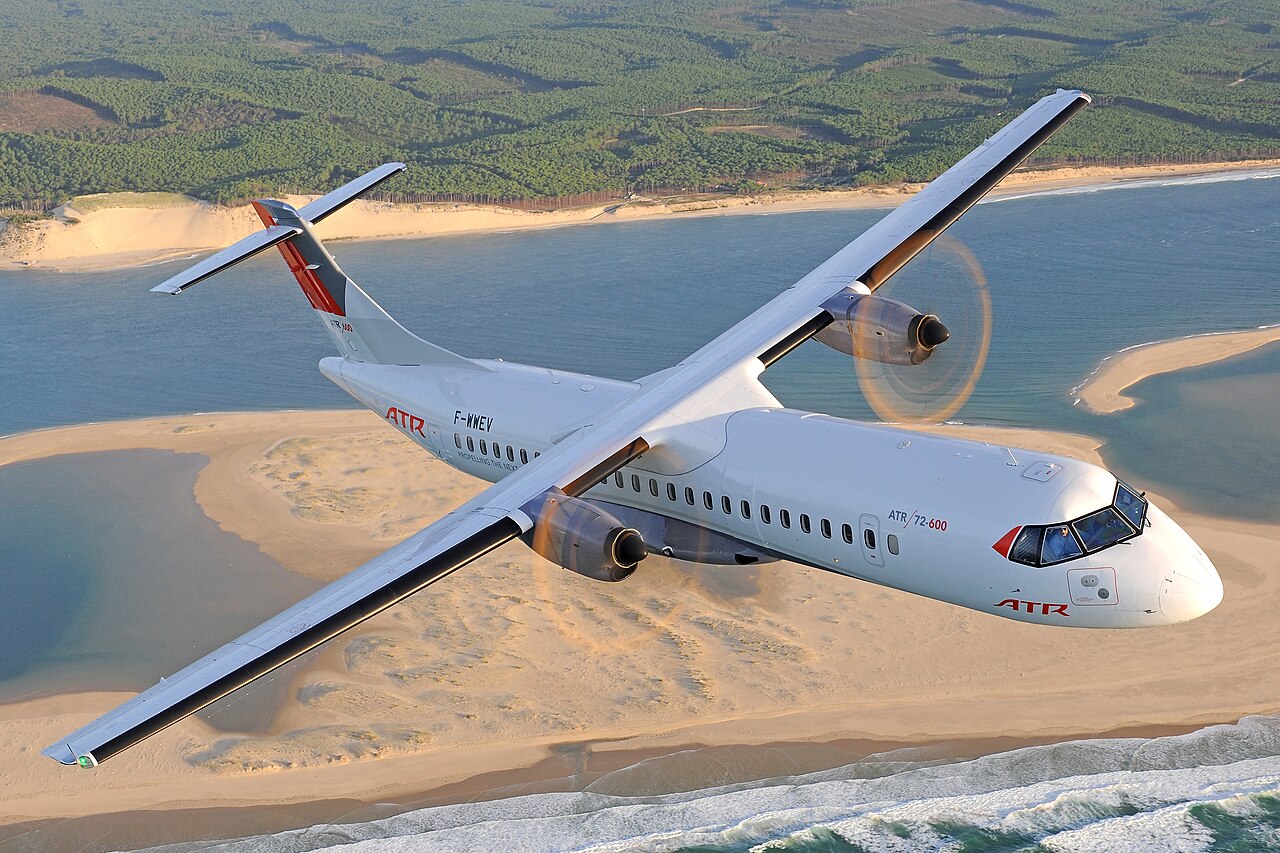
ATR 72-600 regional turboprop · Photo : ATR Aircraft · CC BY-SA 2.0 · Source : Wikimedia Commons Rafale A demonstrator: 4 July 1986; combat prototypes: from 1991
Dassault Rafale
A French combat aircraft family comprising land-based and carrier-based versions.
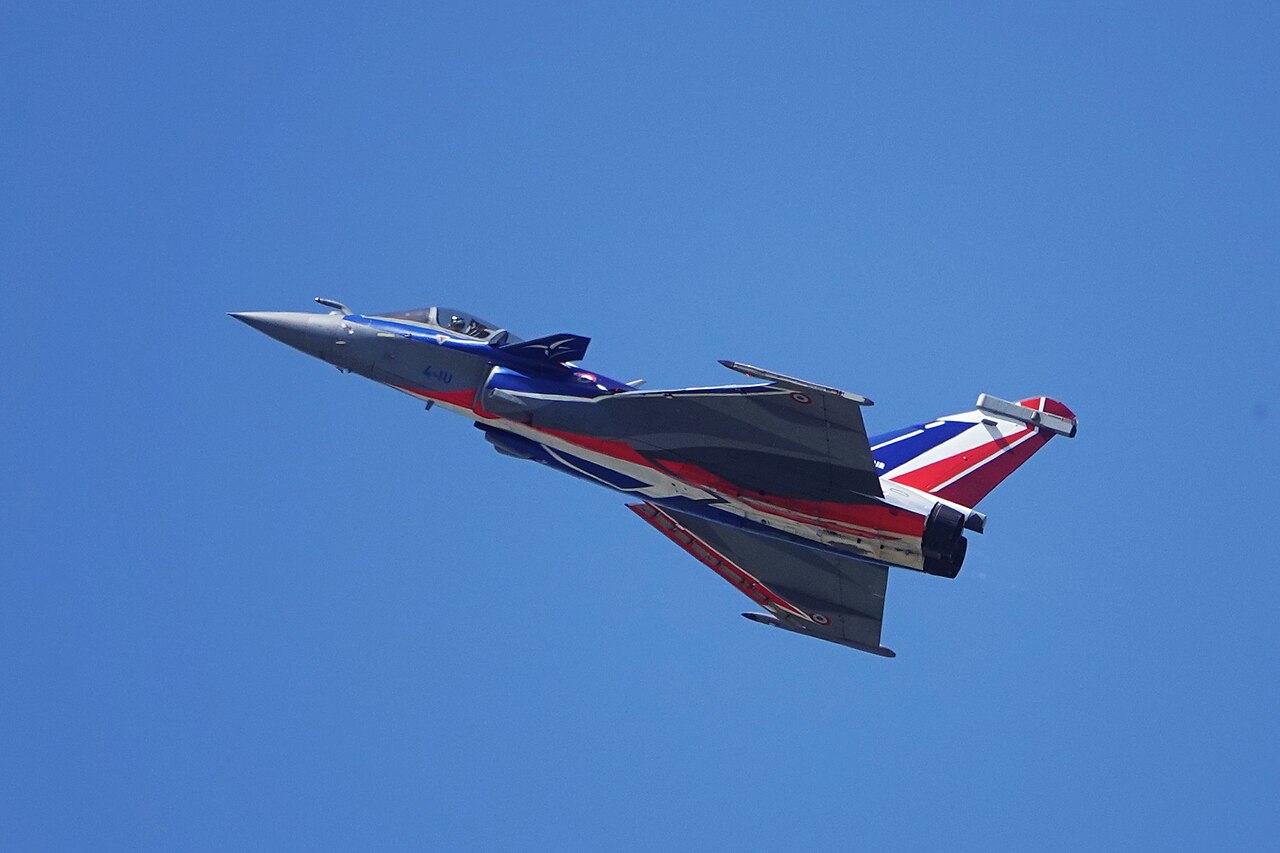
Rafale flying display, 2025 Paris Air Show · Photo : Ibex73 · CC BY 4.0 · Source : Wikimedia Commons 22 February 1987
Airbus A320
A European single-aisle aircraft combining digital fly-by-wire controls with a family approach.
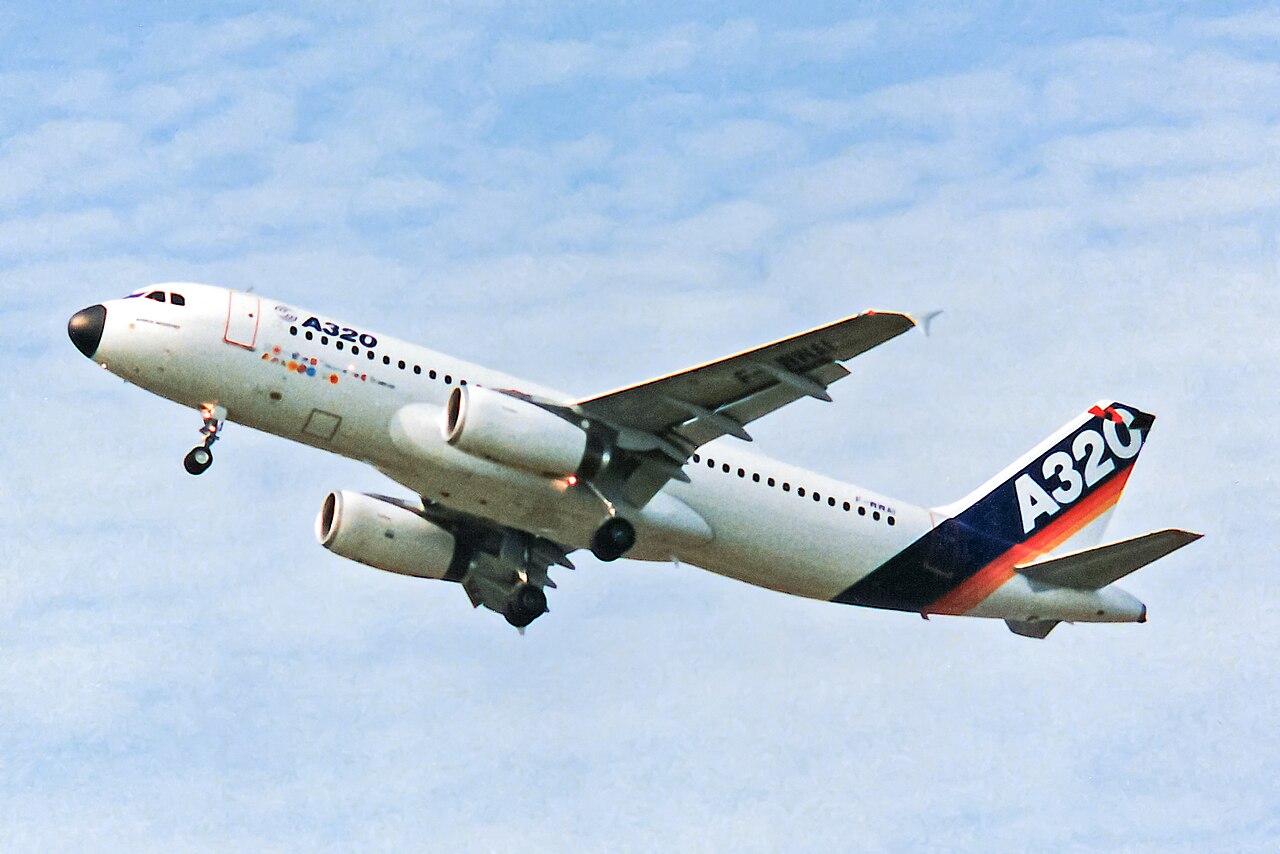
A320 prototype F-WWAI at Farnborough, 1988 · Photo : Ken Fielding, œuvre dérivée Lämpel · CC BY-SA 3.0 · Source : Wikimedia Commons 27 April 2005, Toulouse
Airbus A380
The first airliner with two passenger decks along the full length of the fuselage.
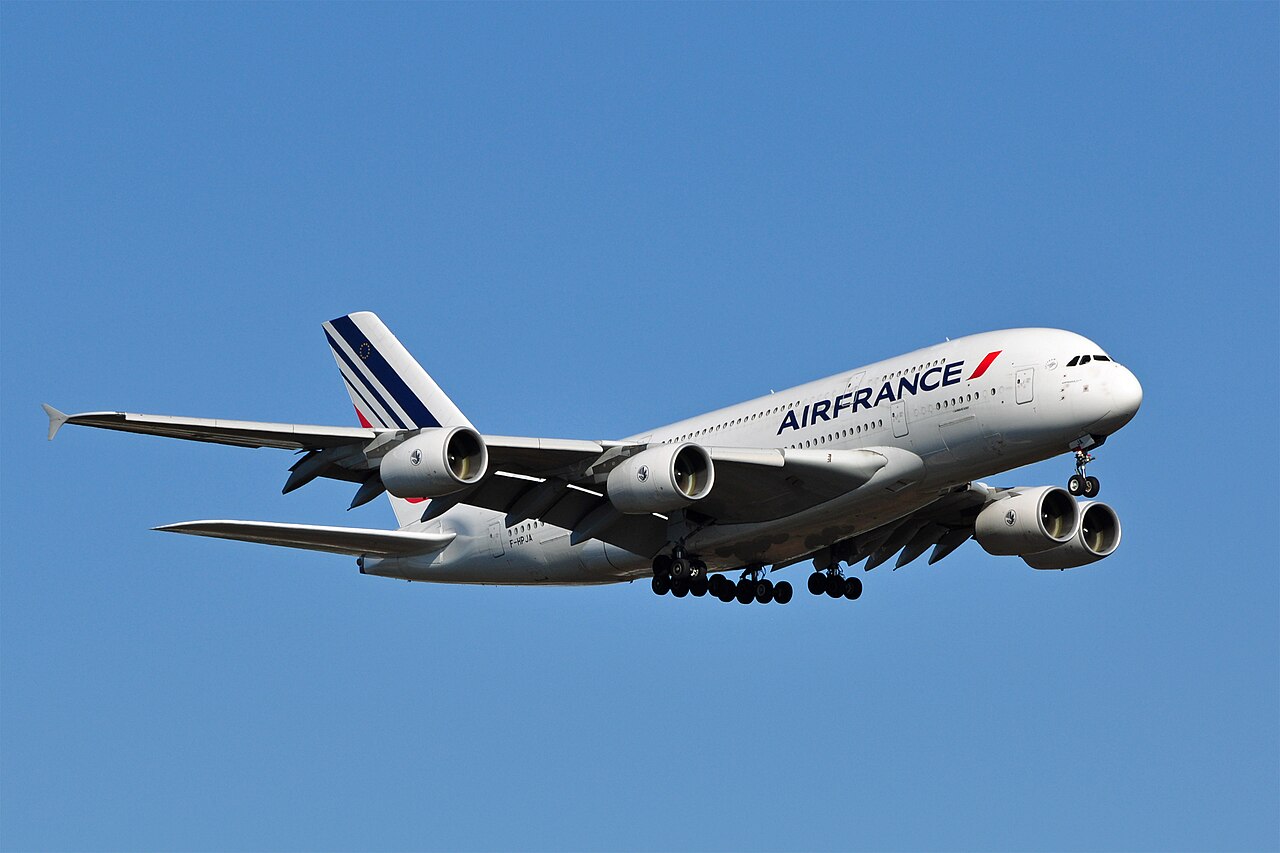
Air France Airbus A380 F-HPJA in flight. · Photo : Joe Ravi · CC BY-SA 3.0 · Source : Wikimedia Commons 15 December 2009
Boeing 787 Dreamliner
The Boeing 787 is a long-haul twinjet combining an extensively composite structure with a highly electrified onboard architecture.
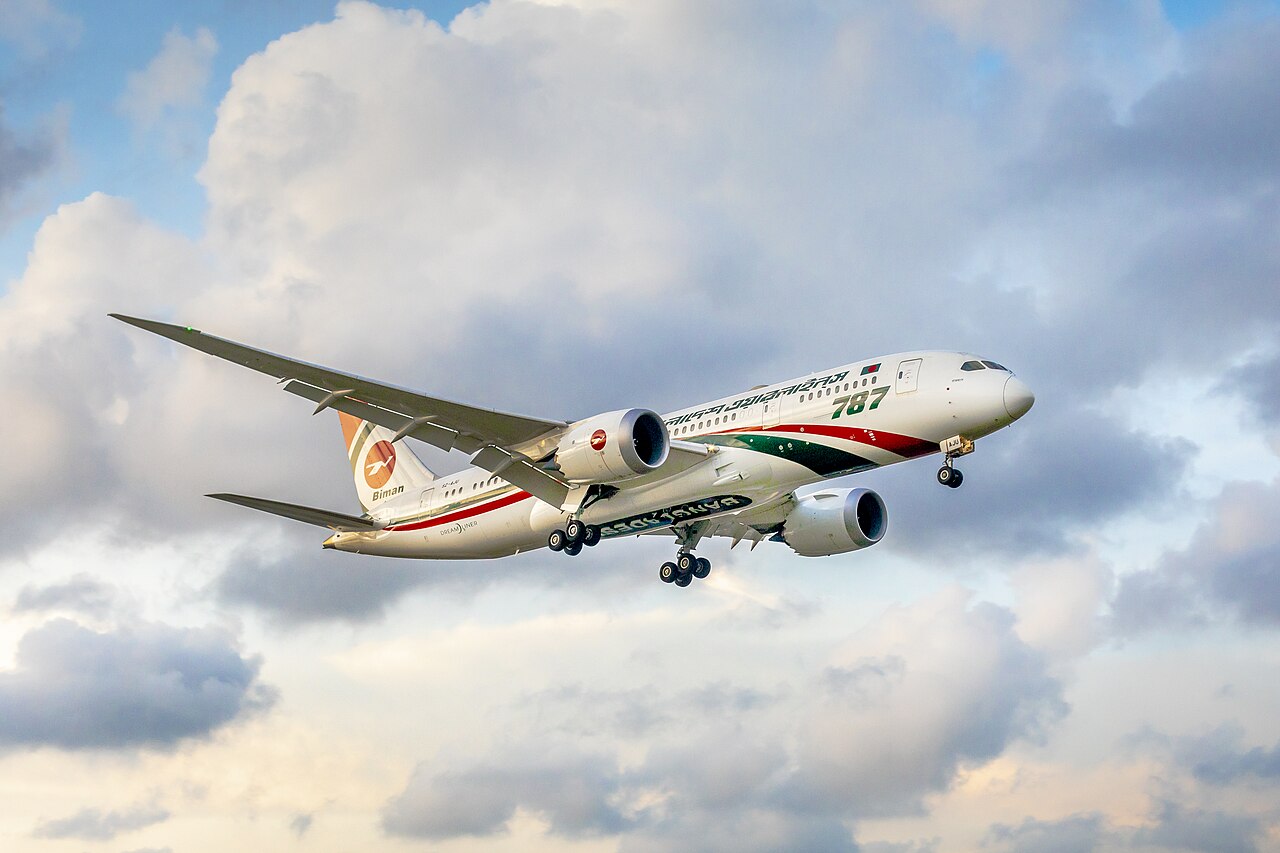
Biman Bangladesh Airlines Boeing 787 Dreamliner · Photo : Jubair Bin Iqbal · CC BY-SA 4.0 · Source : Wikimedia Commons 14 June 2013
Airbus A350 XWB
The Airbus A350 is a family of extensively composite long-haul twinjets that entered service in 2015.
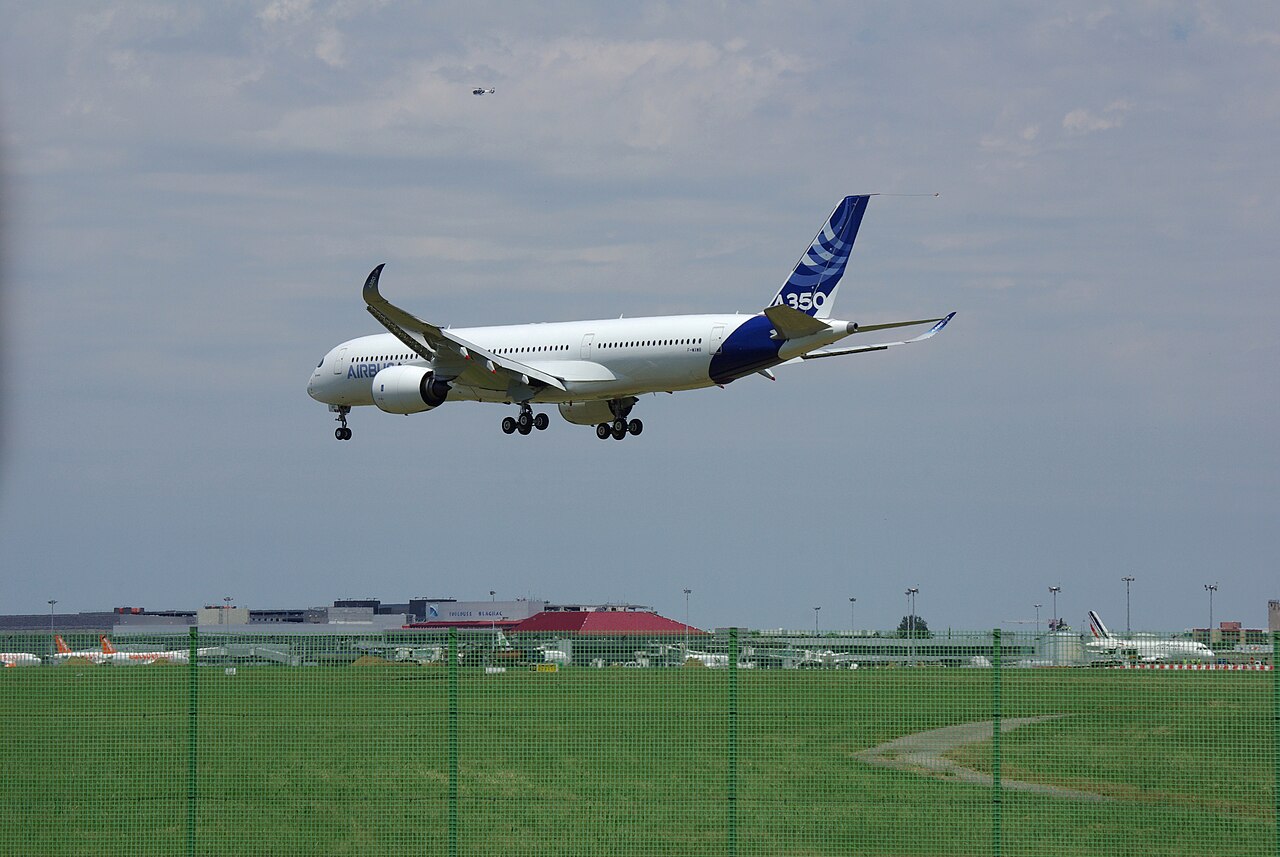
The A350 landing after its maiden flight in Toulouse, 14 June 2013 · Photo : Duch.seb · CC BY-SA 3.0 · Source : Wikimedia Commons 2 June 2014
Solar Impulse 2
Solar Impulse 2 is a single-seat demonstrator that completed a staged solar-powered circumnavigation in 2015–2016.
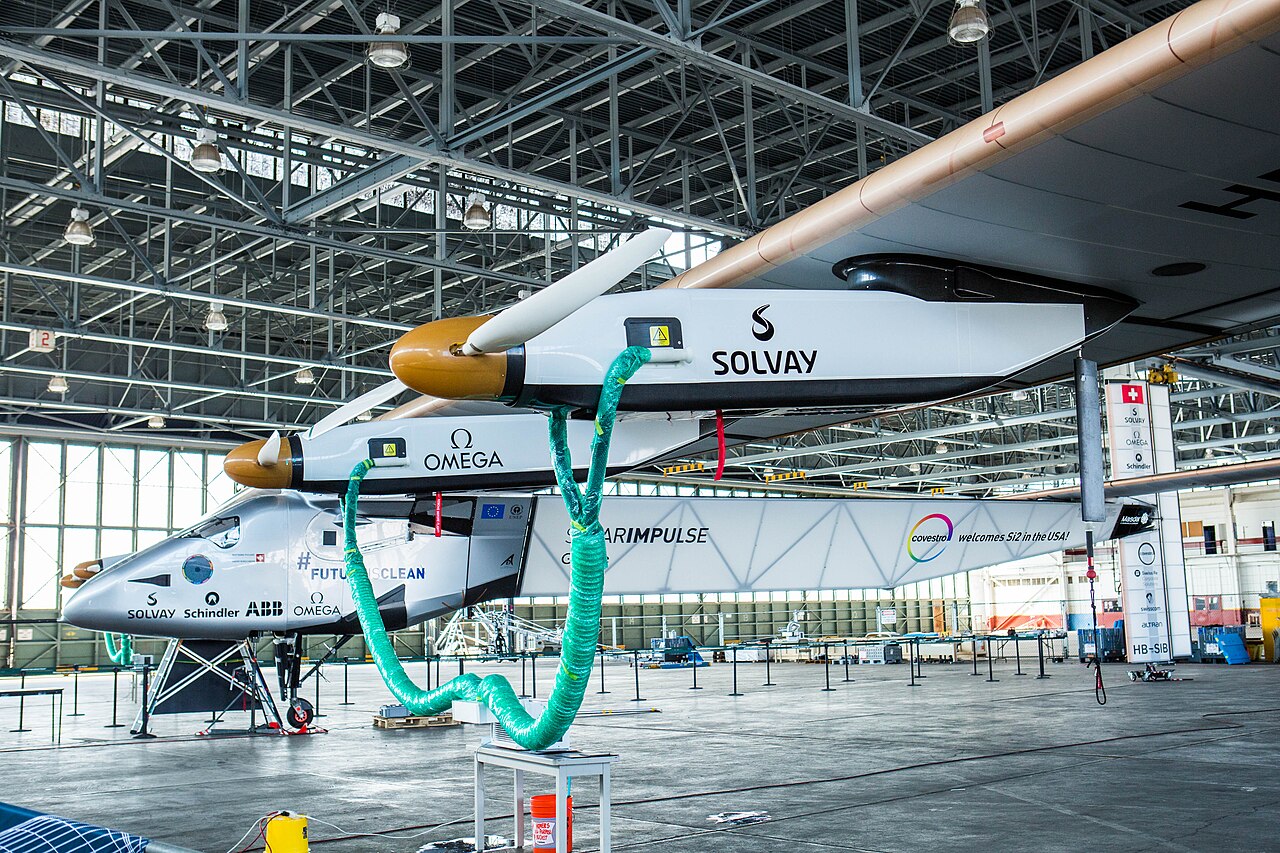
Solar Impulse 2 in Hawaii during its round-the-world flight, April 2016 · Photo : Anthony Quintano · CC BY 2.0 · Source : Wikimedia Commons 5 May 2017
COMAC C919
The COMAC C919 is a Chinese single-aisle airliner powered by LEAP-1C engines that entered commercial service in 2023.
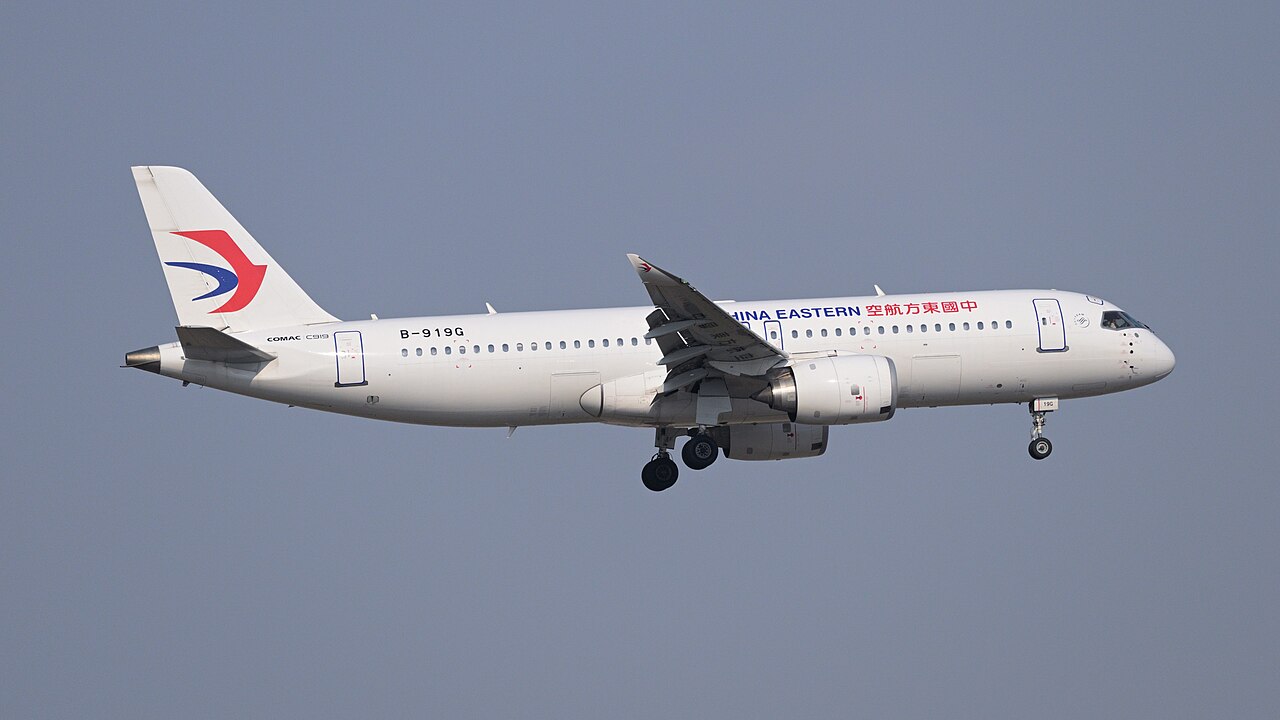
China Eastern COMAC C919 on approach to Shanghai Hongqiao, 2026 · Photo : 4300streetcar · CC BY 4.0 · Source : Wikimedia Commons 15 June 2022
Airbus A321XLR
The Airbus A321XLR is an A321neo version equipped with an integrated tank for extended-range missions.
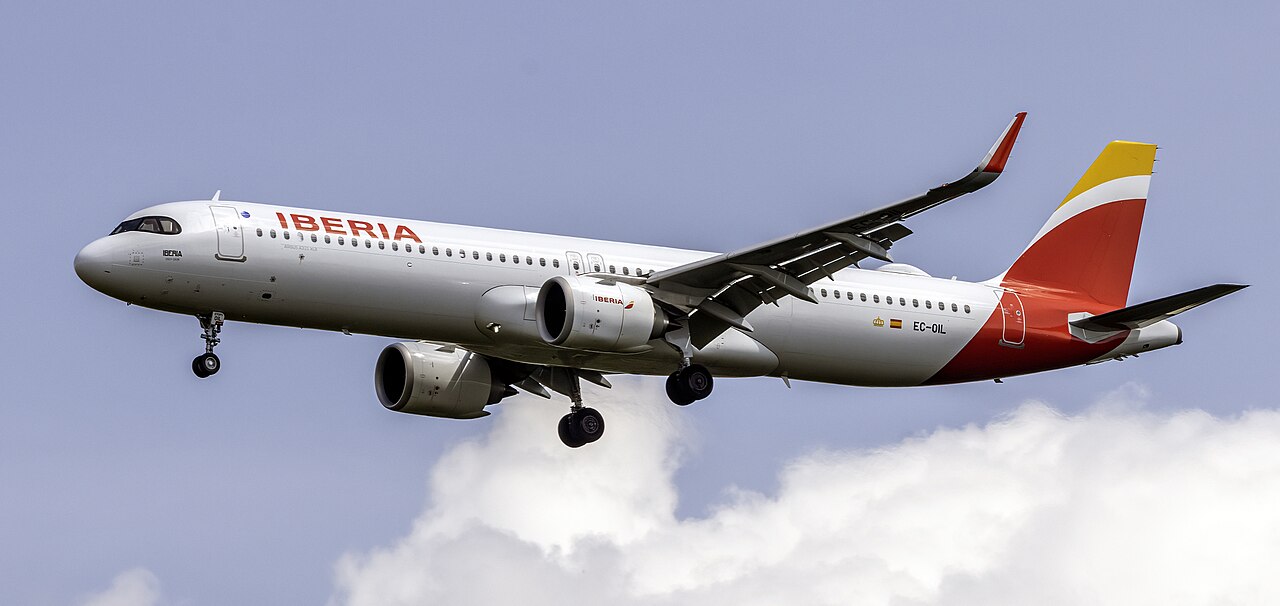
Iberia A321XLR on approach to Washington Dulles, 2025 · Photo : Acroterion · CC BY-SA 4.0 · Source : Wikimedia Commons
Airbus Encyclopedia
Detailed profiles by variant across the network of associated sites.
Museums and places to visit
All museums →Le Bourget, France
Musée de l'Air et de l'EspaceBlagnac, France
AeroscopiaToulouse, France
L'Envol des PionniersRéau, France
Musée aéronautique et spatial SafranWashington, D.C.
Smithsonian National Air and Space MuseumLondon
Science MuseumMunich
Deutsches MuseumSeattle
The Museum of Flight