1901–1936
Jean Mermoz
Aéropostale pilot who made the first commercial South Atlantic airmail crossing in 1930.
2 min read
Life
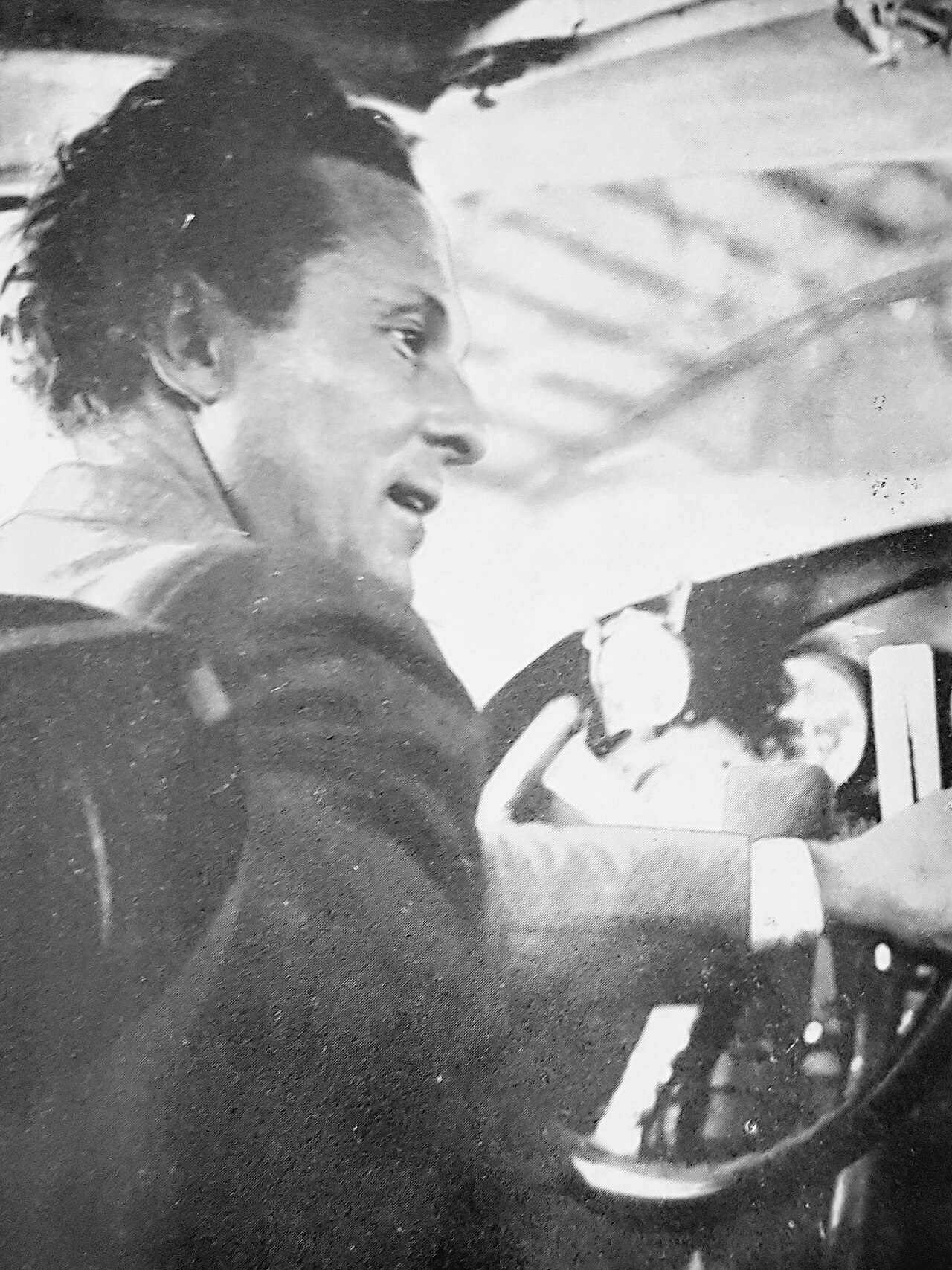
Born in Aubenton in the Aisne, Jean Mermoz learnt to fly in military aviation in the early 1920s. His service took him to Syria, among other postings. After returning to civilian life he struggled to find steady work before joining the Latécoère Lines in 1924. Didier Daurat recruited him into a business where ability meant more than handling an aircraft well: it also required observance of procedures, care for equipment and a commitment to keeping the mail moving.
On the African routes Mermoz encountered an air transport system still dependent on basic landing grounds and limited rescue facilities. Engine failures and forced landings were occupational hazards. The organisation founded by Pierre-Georges Latécoère expanded in stages between Europe, Morocco and Senegal. Pilots needed to know their routes and possible alternative landing sites, but they also relied on mechanics and station managers, people who seldom occupy much space in accounts of individual flying achievements.
Late in 1927 Mermoz moved to South America to help develop the Aéropostale network. He contributed to services between Brazil and Argentina and to reconnaissance flights towards Chile. The Andes presented challenges very different from those of the coast: high terrain, rapidly changing weather and little room for manoeuvre. His flights with mechanic Alexandre Collenot belong to this experimental phase, when finding a way across did not yet mean that a regular service could safely follow.
Achievements
Mermoz also helped develop night flying, which was needed to shorten mail delivery times over long distances. The drive to keep services moving changed the work of crews: navigation and weather assessment had to be undertaken with fewer visual references. This was the professional setting behind Saint-Exupéry's novel 'Night Flight'. The literary work should nevertheless be distinguished from the individual careers and operating decisions on which it drew, rather than read as a direct record of them.
On 12 and 13 May 1930 Mermoz flew from Saint-Louis in Senegal to Natal in Brazil in a float-equipped Latécoère 28 named 'Comte de La Vaulx'. Navigator Jean Dabry and radio operator Léopold Gimié accompanied him, and the aircraft carried mail. The commercial crossing demonstrated that an aircraft could replace the sea passage on this sector. It was neither the first aerial crossing of the South Atlantic nor the immediate beginning of a daily all-air service.
The choice of a seaplane reflected the operating conditions of ocean flying at the time. Preparations included radio facilities and naval support; success did not depend on the pilot alone. Difficulties on the return journey underlined the limitations of the available equipment. Mermoz subsequently continued transatlantic flying in other aircraft, including the three-engined Couzinet 'Arc-en-Ciel'. After Air France was established in 1933, he remained involved in the development of its ocean routes and their operating methods.
Legacy
On 7 December 1936 Mermoz disappeared with four fellow crew members in the Latécoère 300 'Croix-du-Sud' over the South Atlantic. His death helped create a heroic memory that can obscure collective work and technical uncertainty. His life also belongs to the political history of the interwar years: active in the Croix-de-Feu, he became vice-president of the Parti Social Français in 1936. Including that commitment restores a historical personality rather than simply repeating the legend of an airman.
Sources
- L'Envol des Pionniers — L'aventure de l'Aéropostale
- Air France — Notre histoire
- Gallica — BnF — Presse et revues aéronautiques numérisées
- Mémoire de Mermoz — Jean Mermoz : le parcours
- Météo-France — Mermoz traversait l'Atlantique et franchissait le Pot-au-noir
- Wikipédia — Jean Mermoz
Related reading
Feature
The Aéropostale (1918–1933)Aircraft
Latécoère 28Pioneer
Antoine de Saint-ExupéryPioneer
Pierre-Georges Latécoère