Manufacturer
Aérospatiale
Formed in 1970 by merging Sud Aviation, Nord Aviation and SEREB, Aérospatiale combined aircraft, helicopters, missiles and space activities, joining Matra in 1999 before EADS was created in 2000.
4 min read
Origins and industrial consolidation
On 1 January 1970, Sud Aviation was combined with Nord Aviation and the Société pour l’étude et la réalisation d’engins balistiques to form the Société nationale industrielle aérospatiale, known as Aérospatiale. The group brought together aircraft, missiles, helicopters and space activities. The reorganisation reflected the broader capabilities required for aerospace programmes and the aim of creating a large industrial organisation.
Aérospatiale took part in the development of Airbus, a European consortium created in 1970. It became a major industrial partner in Airbus aircraft, from the A300 to later generations, contributing French engineering and production capabilities. In 1981 it also helped establish ATR with the Italian company Aeritalia. The partnership produced a family of regional turboprops, including the ATR 42 and ATR 72. These programmes joined companies from several countries and distributed design, manufacturing and assembly work among them.
Within this organisation, its aircraft division carried out final assembly in Toulouse and produced, among other things, the cockpit section and fuselage sections. Its activities also covered missiles, launch vehicles and satellites, making it an aerospace group rather than a purely civil aircraft manufacturer. This breadth shaped the later combinations with Matra and within EADS.
Concorde and transport aircraft
The Concorde programme was inherited from Sud Aviation, which had developed it with the British Aircraft Corporation following the 1962 intergovernmental agreement. The French prototype had flown at Toulouse in March 1969. After the merger, Aérospatiale continued assembly, testing and production with its British partner. Commercial service began in 1976. A distinction is therefore needed between the company responsible for the early studies and first flights and the one supporting the introduction into airline operation of this Franco-British aircraft.
Airbus cooperation addressed a different market, that of subsonic airliners. The A300 was the consortium’s first programme, preceding later generations to which Aérospatiale contributed, including the A320. French capabilities extended beyond a financial share: engineering, structural manufacture and final assembly linked design offices to workshops. Cockpit and fuselage sections formed part of an international industrial division of work, in which components produced in several countries were brought together to make the aircraft. The French contribution was therefore embedded in a wider production system.
The establishment of ATR with Aeritalia in 1981 added Franco-Italian cooperation to these activities. Its regional turboprops did not meet the same requirement as Concorde or Airbus aircraft. The ATR 42 and ATR 72 family served regional routes. As with Airbus, the partnership combined design, manufacturing and assembly across national borders. Aérospatiale therefore participated in several families of civil transport aircraft without all these programmes sharing a single industrial organisation. Each partnership had its own product range and allocation of responsibilities.
Helicopters, missiles and space
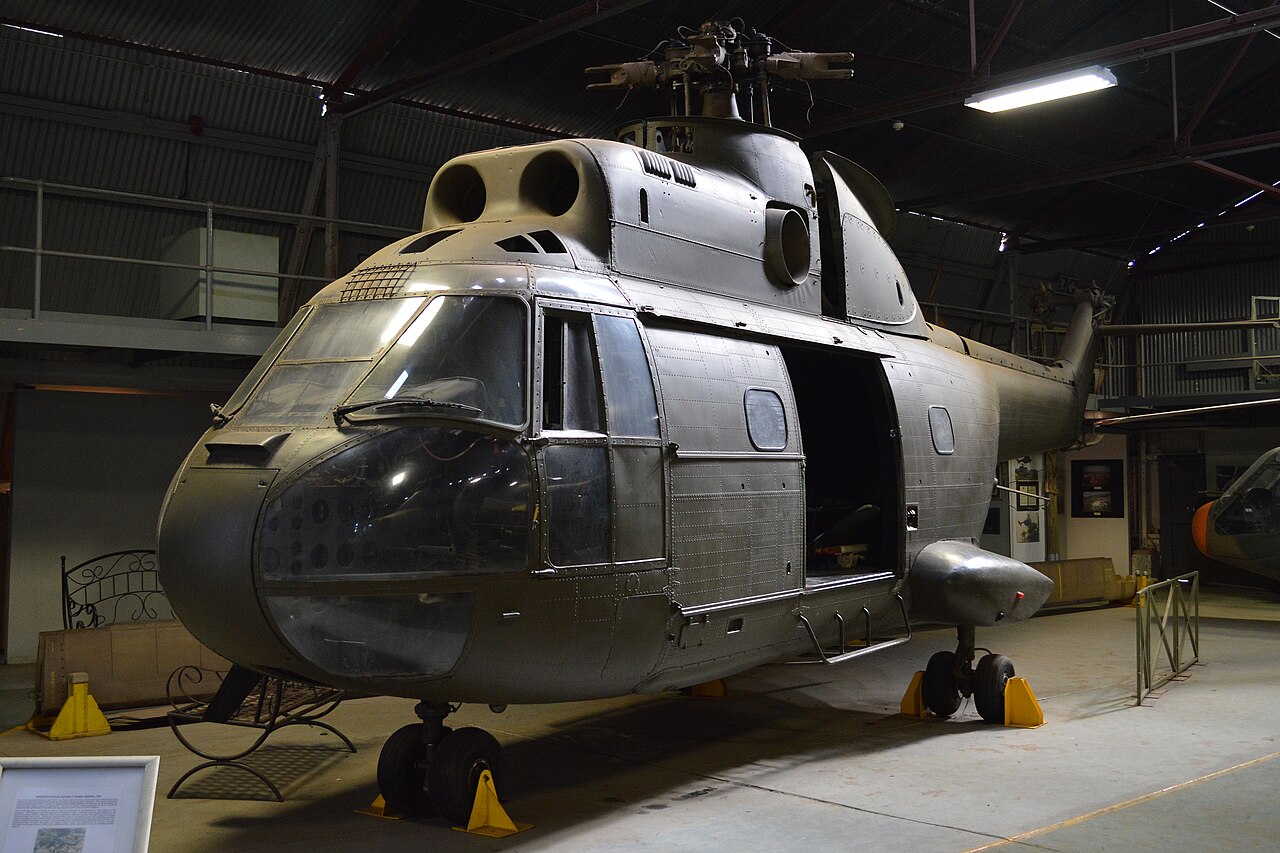
Helicopters continued a business already developed by the predecessor companies. The Puma, begun in the Sud Aviation era, continued its career under Aérospatiale. The Super Puma and Dauphin subsequently added to this production for civil and military missions. Experience with the Alouette family and Super Frelon belonged to the same industrial heritage, although the aircraft were not interchangeable. In 1992, Eurocopter was created by the merger of the helicopter activities of Aérospatiale and DASA (formerly MBB), on a 70%/30% basis, placing this branch within a new European framework.
Missiles formed another part of the group, including the Exocet anti-ship weapon. Their presence underlines that the 1970 merger did not concern transport aircraft manufacturers alone. Capabilities inherited from Nord Aviation and SEREB contributed to this organisation, whose customers included the defence sector. Aérospatiale’s history therefore needs to be read across several industries: civil aircraft milestones cannot summarise either its military programmes or the full range of disciplines within the group. The combined organisation encompassed more than its most visible airliners.
In space, Aérospatiale worked on launch vehicles, notably Ariane, as well as satellites. These programmes involved design, manufacture, integration and testing within a framework of cooperation between several industrial and public organisations. Describing an aerospace group, rather than an exclusively civil aircraft manufacturer, reflects this breadth. Space activities were distinct from the Airbus and ATR partnerships, but belonged to the scope of operations whose teams and facilities were redistributed through the reorganisations of the late 1990s. This range also shaped the subsequent combinations.
Integration and legacy
Aérospatiale continued activities in transport aircraft, helicopters, missiles and space. In 1999, its merger with Matra Hautes Technologies created Aérospatiale-Matra. The following year, Aérospatiale-Matra helped establish EADS alongside DaimlerChrysler Aerospace and CASA. EADS was renamed Airbus Group in 2014 and Airbus in 2017. Aérospatiale therefore ceased to exist as an independent entity.
Activities and teams inherited from Sud Aviation and Aérospatiale are now found across several Airbus divisions and companies formed by later reorganisations. The Caravelle and Concorde marked the history of jet transport, while helicopters and participation in Airbus and ATR programmes demonstrate the breadth of production. This path, from state-owned companies created after 1936 to European integration, illustrates the shift from a national structure to multinational industrial supply chains.
Notable aircraft
Other models
- Puma
- Super Puma
- Dauphin
- Exocet
- Ariane launch vehicles
- Satellites
Sources
- Airbus — Our history
- Airbus — Our story: the evolution of Airbus
- Airbus — Our product: history
Related reading
Manufacturer
Sud AviationManufacturer
AirbusManufacturer
ATRManufacturer
Eurocopter / Airbus HelicoptersManufacturer
Aérospatiale-MatraManufacturer
EADS